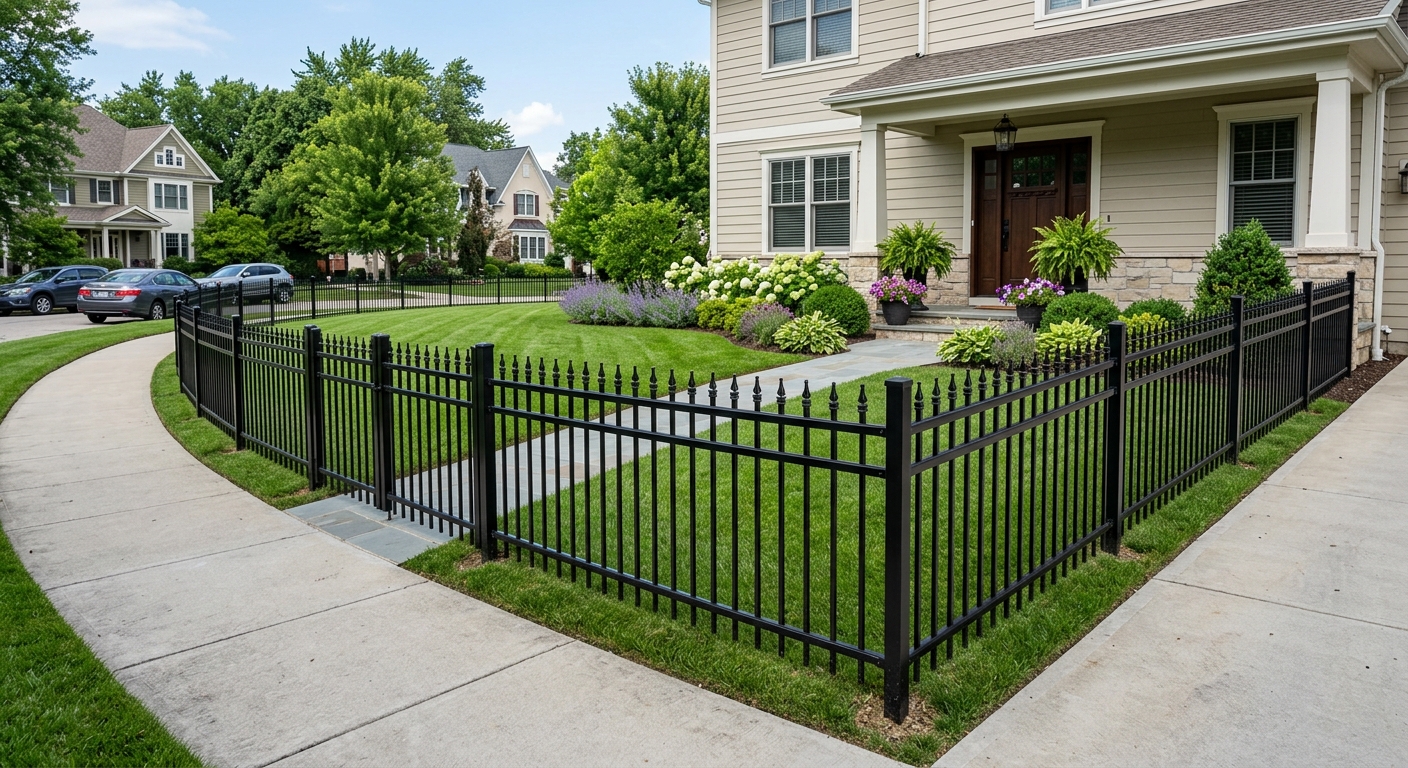
Fencing options and costs in Mayerthorpe
Mayerthorpe homeowners often start their fence search with a simple question: what will it cost for the look and privacy they want. With 415 homeowner households (81.4% of households own) and a housing stock where 69.6% of dwellings are single-detached homes, fencing demand is steady—most installs happen as properties age and yards get reworked for privacy, pets, or wind protection. In fact, 61.8% of homes were built before 1981, which commonly means older property layouts, established tree lines, and more frequent “refresh” projects rather than new-fence-only installs.
In the Edmonton economic region, the price difference between two “same-length” fences is rarely just material—it’s site and Alberta weather planning. Contractors account for frost depth so posts sit below the frost line (reducing heaving), and open Prairie exposure in the area can mean tighter post spacing and sturdier hardware, especially for privacy fences. Access and terrain also matter in smaller communities: if the fence line runs along ditches, through sloped lots, or near mature shrubs, labour time rises. For many Mayerthorpe installs, trade activity tends to pick up along residential pockets near main services and commuting routes, where driveways and backyard upgrades are most frequent.
Below is a practical price comparison to help you budget before you request itemised quotes.
| Material |
Lifespan |
Maintenance |
Privacy Rating |
Price per Linear Foot |
| Pressure-treated pine (standard wood) |
10–20 years |
Stain/seal every 2–3 years |
Medium–High (solid styles highest) |
$12 – $22 |
| Cedar (natural rot resistance) |
15–25 years |
Light stain/oil every 2–4 years |
High (solid styles highest) |
$16 – $30 |
| Vinyl / PVC (no-maintenance) |
20–30 years |
Rinse as needed (no staining) |
Medium–High (solid panels best) |
$18 – $35 |
| Chain-link (galvanized steel) |
25–40 years |
Occasional wash; check tension |
Low (visibility is high) |
$10 – $18 |
| Aluminum ornamental |
25–45 years |
Rinse; tighten hardware occasionally |
Low–Medium (decorative pickets) |
$20 – $40 |
| Composite / recycled material |
20–30 years |
Minimal cleaning; inspect fasteners |
High (solid board styles best) |
$17 – $33 |
Prices are estimates only and vary by project scope, site access and material selection.
What affects the price of fencing in Mayerthorpe
In the Edmonton economic region, it’s common to see the same fence concept come in 30–50% apart across quotes. Two projects can be identical in “linear feet,” yet one requires heavy post-setting because of frost depth and soil conditions while another can use simpler methods on firmer ground. Edmonton-area labour also prices risk differently: wind exposure on the Prairies pushes contractors toward tighter spacing, heavier rails, and sturdier gates—items that don’t show up in a casual estimate.
Alberta frost planning is a big driver. To reduce heaving, posts typically need to be set about 4–6 inches below the design frost depth. In practical terms, that often means posts need to go roughly 1.5–2.0 m into the ground, and many contractors concrete-set posts to create stable support. That increases both material time and labour time (deeper holes, longer posts, and more concrete). Wind also matters: open yards can turn a light privacy fence into a service call later, so installers sometimes recommend sturdier post spacing and heavier panel framing for longevity—especially for wood privacy fences in exposed locations.
Local examples from Mayerthorpe: (1) A fence line that crosses clay-heavy soil or needs extensive post-hole digging can push costs toward the upper end of wood installs (for example, wood often lands around $3,000 – $6,500 total depending on conditions). (2) An interior lot with good access and minimal grades can keep chain-link closer to $2,000 – $4,500 because tensioning and post setting are straightforward. (3) If you’re replacing an older, leaning fence built before 1981, disposal of old rails and posts can add cost even when the new fence material seems “simple.”
| Price Factor |
Why It Matters |
Cost Impact |
| Fence length in linear feet |
Most items scale directly: posts, rails, mesh/panels, labour |
Highest—often the largest portion of the final cost |
| Post depth required |
Frost line determines hole depth and required post length |
Medium–High; can move a quote by thousands if deeper set is needed |
| Post setting method |
Concrete vs. gravel pack vs. driven posts changes materials and labour |
Medium; concrete-set posts usually increase cost |
| Material choice |
Different rigidity, hardware, and panel systems affect labour and longevity |
High; vinyl and privacy-oriented options typically price higher than chain-link |
| Gate count and type |
Gates require reinforced framing, hinges, latches and often extra labour |
Medium; double drive-through gates are usually a major cost jump |
| Grade and terrain |
Sloped yards need stepped posts or raked panels |
Medium; more layout time and custom cutting |
| Old fence removal and disposal |
Hauling and sorting add time, disposal fees and protection measures |
Medium; can meaningfully increase the budget on re-builds |
| Permit fees and survey / property line locate |
Up-front admin and layout verification reduce the risk of encroachment issues |
Low–Medium; varies by scope but can’t be skipped safely |
Permits & regulations in Alberta
In Alberta, fence rules are typically tied to height thresholds and location, and local bylaws set the exact details. As a practical guide for Mayerthorpe homeowners, fences above a height threshold—commonly around 2.0 m (6.5 ft) for the rear and roughly 1.0–1.2 m (3–4 ft) for the front or corner—often require a building permit. Even when a permit isn’t required, you still need to respect property lines and any municipal setback requirements for your specific lot.
Before any post hole is dug, you should call for utility locates through Alberta One-Call to mark buried services. Also, get a survey or a property-pin locate before installing to avoid encroachment disputes—this is especially important in older neighbourhood layouts where fences were sometimes erected without modern reference points. Shared fence ownership generally follows the province’s line-fences framework; in simple terms, both property owners may have rights and responsibilities depending on how the fence was established and what your agreement or history shows.
How to verify your contractor’s Alberta readiness: ask for a copy of their current Alberta licence (when applicable to their business activity), certificate of insurance showing general liability limits, and proof of WSIB/WCB coverage for workers. You can check licences through the relevant online registry for your trade category, and you should review the insurance certificate for expiry dates and named insured details. For a faster verification, request clearance letters or coverage verification documentation directly from the contractor.
Choosing the right fence material for Mayerthorpe
Choosing a fence in Mayerthorpe is about matching material to priorities—privacy, low maintenance, budget, and lifespan—while accounting for Alberta’s freeze-thaw cycles and Prairie wind. For example, pressure-treated pine is the budget-friendly path, but it usually needs staining every 2–3 years to prevent heavy grey weathering and premature surface wear. Cedar offers better natural rot resistance and a warmer appearance, yet it still benefits from periodic oil or stain so it stays looking good through snow seasons. Vinyl/PVC has the appeal of “install and forget,” but in extreme cold it can become brittle if rails or posts aren’t properly spaced for wind loads. Chain-link is usually the lowest upfront cost and very long-lived, though it provides minimal privacy—often you’ll add privacy slats or plant screens if that’s your goal. Aluminum ornamental looks sharp, won’t rust, and performs well around winter moisture, but it’s typically best for curb appeal more than true privacy.
Frost-depth planning matters for nearly every material. Even when you want a low-maintenance surface, posts usually need to be set below the frost line to reduce heaving—commonly by setting posts roughly 4–6 inches below the design frost depth. That can mean concrete-set posts and deeper hole work, which increases total cost across the board. For wind and snow load, privacy fence styles generally need tighter post spacing and stronger rails in exposed yards.
A dollar example: a privacy-focused wood build commonly lands in the wood range of $3,000 – $6,500, while vinyl privacy often runs higher—frequently moving you toward the top end of $3,500 – $8,000 once gates, heavier posts, and long-lasting hardware are included. If you’re staying in the home for years and want fewer weekend projects, the higher upfront cost of vinyl or composite can be justified; if you’re optimizing for initial budget and don’t mind periodic maintenance, pressure-treated pine usually wins.
| Material |
Cold Tolerance |
Lifespan |
Annual Maintenance |
Best For |
Price Band |
| Pressure-treated pine |
Good (with proper post depth and coating) |
10–20 years |
1–2 hours inspection + periodic staining every 2–3 years |
Budget privacy and classic look |
$12 – $22 |
| Cedar |
Good (resists rot better than pine) |
15–25 years |
Light clean + oil/stain every 2–4 years |
Premium appearance with dependable weathering |
$16 – $30 |
| Vinyl / PVC |
Very good when installed with correct spacing |
20–30 years |
Minimal—rinse as needed |
Low-maintenance privacy in exposed yards |
$18 – $35 |
| Chain-link |
Very good (steel frame tolerates winter well) |
25–40 years |
Minimal—check tension and wash |
Security, pets, and budget-friendly fencing |
$10 – $18 |
| Aluminum ornamental |
Very good (powder coat protects against moisture) |
25–45 years |
Minimal—tighten hardware as needed |
Curb appeal and durable front-yard fencing |
$20 – $40 |
| Composite / recycled |
Good (requires correct fasteners and post support) |
20–30 years |
Minimal—inspect fasteners and rinse occasionally |
Privacy with less upkeep |
$17 – $33 |
How to choose a fencing contractor in Mayerthorpe
When you’re hiring a fence contractor in Mayerthorpe, verification should be as important as price. Start with licensing: ask what category applies to their fence work in Alberta and verify it through the applicable online registry for their trade/business type. Next, confirm liability insurance—request a certificate of insurance and look for coverage limits that fit the job size and a current expiry date. Finally, ensure WSIB/WCB coverage is in place for their workers; you should be able to receive a clearance letter or coverage verification document. Don’t accept “it’s covered” without documentation.
For quotes, always request 2–3 itemised written estimates that break out labour and materials rather than a single lump sum. Make sure the scope clearly states what’s included: post-setting depth and method, rail/panel quantity, gate hardware, any permit pull assistance, and whether disposal of the old fence is included. Also ask for warranty terms: separate workmanship warranty length from product/manufacturer warranty, and confirm whether the warranty transfers to the next owner if you sell the home.
Payment schedule matters. Avoid large down payments—never pay more than about 10–15% upfront. Use a holdback until the fence is complete and inspected. Require the start date and an estimated completion window in writing so you can plan around winter delivery and scheduling.
- Request itemised quotes with line-by-line labour and materials
- Confirm post depth plan and post-setting method (concrete vs. other)
- Ask how they handle slopes (stepped posts vs. raked panels)
- Verify permit responsibility: who submits, who pays, and what’s included
- Confirm utility locate scheduling through Alberta One-Call
- Ask for disposal/hauling details for old fence removal
- Review warranty: workmanship vs. product coverage, and transferability
- Check insurance certificate expiry and named insured details
- Verify WSIB/WCB clearance or coverage verification in writing
- Use a clear schedule: start date, milestones, and completion estimate
- Keep payments to 10–15% deposit max, with a holdback until final walk-through
- Get a signed contract with the exact material specs (rails, fasteners, panel type)
Red flags I see with fence jobs around Mayerthorpe include: “no documentation” for insurance or WCB/WSIB, vague scopes that don’t state post depth or setting method, quotes that exclude disposal and then surprise you with hauling charges, starting work before locates are done, and warranties that only apply if you do future maintenance exactly to the contractor’s schedule but don’t specify it clearly in writing.
Frequently asked questions — fencing in Mayerthorpe
Do I need a permit to build a fence in Alberta?
Often, yes if you’re building a taller fence in certain locations. In Alberta, fences above a common height threshold—typically around 2.0 m (6.5 ft) in the rear and about 1.0–1.2 m (3–4 ft) at the front or corner—frequently trigger a building permit requirement, plus you must still follow property-line rules and any setback requirements in your area. In Mayerthorpe (Alberta), the safest approach is to confirm the height and placement with your contractor or the municipality before work begins. Also, before any post holes are dug, request utility locates through Alberta One-Call, and keep your survey pins handy so you don’t end up on the wrong side of a boundary.
How long does a wood fence last in Mayerthorpe?
A well-built wood fence in Mayerthorpe can last around 10–20 years for pressure-treated pine and closer to 15–25 years for cedar, assuming proper post depth and correct post setting for Alberta frost conditions. Lifespan isn’t only material—it’s the combination of below-frost-line post installation and ongoing surface protection. If you’re in a wind-exposed yard, panels and rails take more stress, which can lead to loosening and faster wear. Budget-wise, wood projects commonly fall in the $3,000 – $6,500 range installed, but a cheaper installation that doesn’t plan for frost depth can fail early and cost more to redo. Plan on staining every 2–3 years for pine and periodic oil/stain for cedar to slow weathering.
Who owns and maintains a shared fence?
In Alberta, shared fence situations are governed by provincial line-fences principles, and the answer depends on how the fence was established and what each property owner’s responsibilities are. In practice, many shared fences are treated as jointly maintained (especially when both properties directly benefit from the boundary barrier), but disagreements usually come down to: where the fence sits on the boundary and whether there’s a prior agreement or historical arrangement. For Mayerthorpe homeowners, the safest step is to confirm the property line with a survey or locate your pins before starting work, then discuss scope in writing with the neighbour (replacement, repairs, and cost sharing). If you’re planning a taller privacy upgrade, also confirm the permit and height expectations so you don’t create a compliance issue between properties.
How do I find my property line before fencing?
Your property line should be confirmed before post holes are dug. First, look for survey documents from when the home was purchased or last subdivided. Next, locate property pins or boundary markers on-site—many homeowners miss these and rely on assumptions based on old fences. If pins are unclear or missing, hire a surveyor for a proper locate. In Mayerthorpe, this step matters because older fencing and lot layouts can be misaligned compared to modern boundary references. Also, don’t start until Alberta One-Call marks any underground utilities. Once the line is confirmed, have your contractor provide a proposed layout showing gate placement and fence line alignment—this reduces the odds of encroachment disputes.
What's the most low-maintenance fence?
For low maintenance in Alberta, vinyl/PVC and many composite/recycled systems are the usual winners because they don’t require regular staining or painting. Chain-link can also be low maintenance, but it won’t give privacy—so most people add slats or plant screens if that’s their goal. Cedar and pressure-treated pine are workable options, but they typically require periodic coating to maintain appearance and slow surface deterioration. In the Edmonton region, vinyl privacy often lands closer to the upper part of the vinyl band—commonly around $3,500 – $8,000 installed depending on gates and site conditions—while wood can start lower, often in the $3,000 – $6,500 range. If you want fewer weekend projects and a consistent look through winter, vinyl/composite is usually the easiest path.
How tall can my fence be in Mayerthorpe?
Fence height limits depend on where the fence sits (front/corner vs. rear) and local bylaw wording. A practical rule many Alberta homeowners use is that rear fences are often allowed up to around 2.0 m (6.5 ft) without overcomplicating the process, while front or corner fences are often limited to roughly 1.0–1.2 m (3–4 ft). In Mayerthorpe, taller fences can also increase the likelihood of requiring a permit, so height and location go together in the decision. Beyond height, also consider wind exposure on the Prairies: a taller privacy fence can catch more wind load and may require sturdier framing and correct post spacing below the frost line. If you tell your contractor your planned height and exact placement, they can confirm whether a permit is likely and what construction approach best handles Alberta winters.