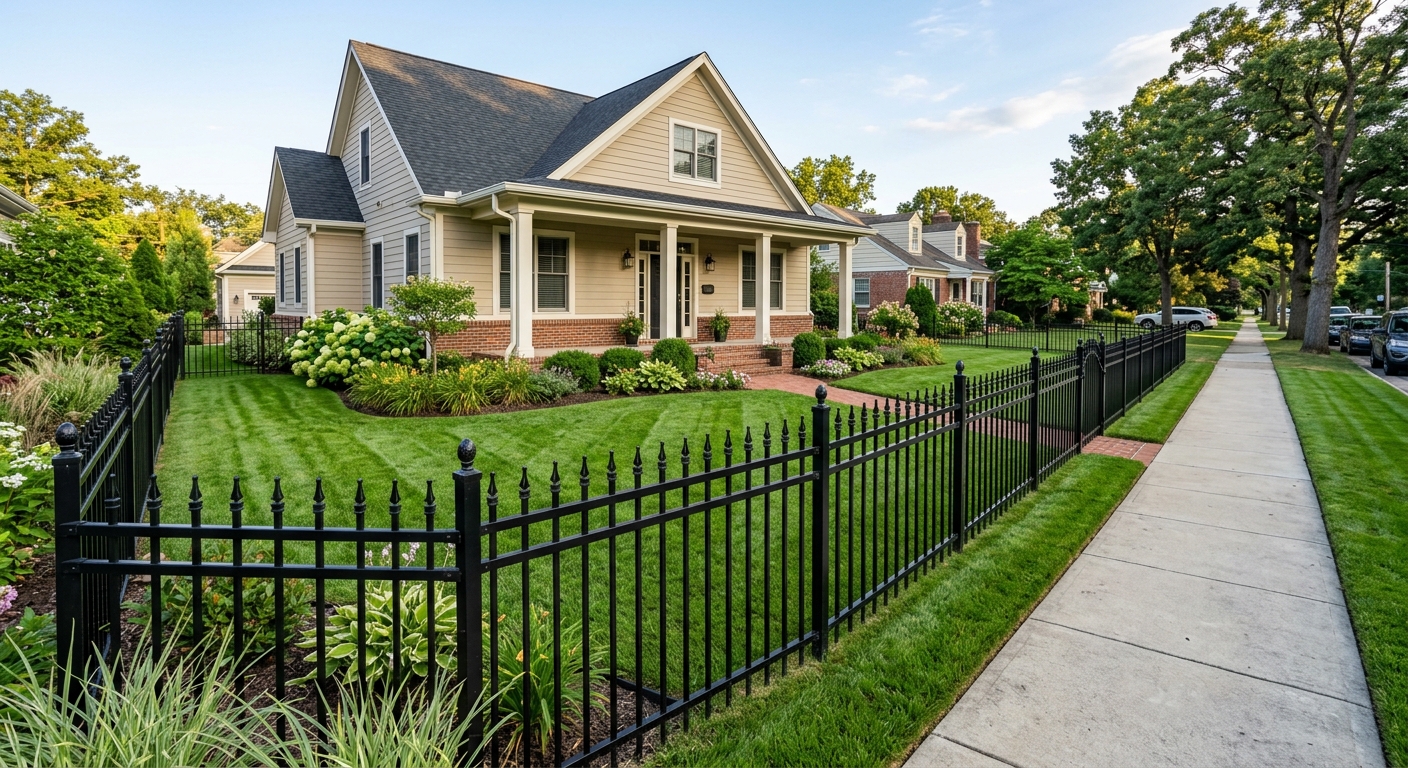
Fencing options and costs in Historic Downtown
In Historic Downtown, British Columbia, choosing a fence is about balancing curb appeal with day-to-day durability—especially in the Lower Mainland–Southwest where weather swings are mild but persistent, and the ground stays wetter than many homeowners expect. With a 2021 population of 9,910 (Statistics Canada, 2021 Census), the neighbourhood has steady demand from detached-home owners who are actively improving streetscapes. That local demand is strongest along busy, older residential pockets where front yards get attention year-round, such as the Main–Hastings corridor area and nearby heritage streets (you’ll notice more gate projects and fence replacements as homeowners modernize aging boundary lines).
Lower Mainland–Southwest pricing typically reflects a “mild but not trivial” frost-and-wind reality. Posts still need to be set below frost to limit heaving, and wetter Fraser Valley–style soils often mean deeper holes, more concrete, and more labour than a dry-site install. Contractors also price in wind loading (stiffer rails, tighter spacing, and stronger corners on solid panel fences) and the higher cost of straight, clean installs when slopes, sidewalks, or narrow access complicate material movement. Availability can also influence lead times—when crews are working through back-to-back replacement seasons, quotes with faster scheduling often come in higher.
Below is a practical cost comparison for common materials you’ll see around Historic Downtown. Use it as a baseline, then your installer can tighten the numbers after a site walk.
| Material |
Lifespan |
Maintenance |
Privacy Rating |
Price per Linear Foot |
Price Range |
| Pressure-treated pine (standard wood) |
10–15 years |
Stain or seal every 2–3 years |
High (solid sections) |
$25–$42 |
$1,600–$3,200 |
| Cedar (natural rot resistance) |
15–25 years |
Light staining every 2–4 years |
High (solid sections) |
$30–$55 |
$2,000–$4,800 |
| Vinyl / PVC (no-maintenance) |
20–30 years |
Wash annually; inspect for impact |
Very high (privacy styles) |
$35–$70 |
$2,400–$6,000 |
| Chain-link (galvanized steel) |
25–35 years |
Minimal; rinse and tighten as needed |
Low (screening only) |
$18–$32 |
$1,100–$2,500 |
| Aluminum ornamental |
25–40 years |
Occasional cleaning |
Medium (decorative pickets) |
$30–$65 |
$2,500–$7,500 |
| Composite / recycled material |
20–30 years |
Wash; no staining |
High (solid styles) |
$40–$80 |
$2,800–$8,200 |
Prices are estimates only and vary by project scope, site access and material selection.
What affects the price of fencing in Historic Downtown
In Historic Downtown, British Columbia, fence quotes for the same backyard line can vary by roughly 30–50% across the Lower Mainland–Southwest simply because “one fence” rarely means the same install. Differences in access (lane access, sidewalk proximity, and how far materials must be carried), slope and grading, and whether an old fence must be removed all change crew time and disposal costs. On top of that, Lower Mainland contractors account for mild but wet conditions that accelerate wood wear if treatments and post setting aren’t done correctly—so a cheaper quote may be using lighter hardware, shallower setting, or a less robust panel design.
Two technical drivers matter most here: frost depth and wind. Even though coastal BC is milder than Ontario and Alberta, the ground can still heave if posts aren’t set deep enough. In practice, installers typically set posts about 4–6 inches below the design frost depth to reduce movement, which means longer posts and deeper holes than some homeowners expect. Concrete setting (especially for corner posts, gate posts, and privacy fence sections) adds material and labour, pushing costs toward the higher end of the wood band (about $55–$95 installed per linear foot depending on scope). Wind exposure also changes build choices: you may see tighter post spacing, stronger rails, and more bracing on solid wood and vinyl/PVC privacy fences—often explaining why vinyl can land in the higher regional range (commonly $75–$130 installed per linear foot) when compared to chain-link ($30–$55).
Concrete examples from installs in and around Historic Downtown: (1) A flat yard with easy wheelbarrow access might use gravel packs or lighter concrete at select points, while a sloped lot usually triggers stepped grading and more labour, increasing the bill by several hundred to over a couple thousand dollars. (2) Wet soil near drainage swales often requires deeper excavations and more concrete to achieve firm post alignment—again nudging the total upward, particularly on privacy panels. (3) Replacing an old fence frequently adds haul-away and disposal, turning a “material-only” expectation into a true full install cost.
| Price Factor |
Why It Matters |
Cost Impact |
| Fence length in linear feet |
More runs means more posts, rails, labour hours, and materials |
Usually the biggest driver; linear costs dominate |
| Post depth required |
Frost risk determines hole depth and required post length |
Deeper holes increase labour and material cost |
| Post setting method |
Concrete vs. gravel pack vs. driven posts affects stability |
Concrete at corners/gates can add noticeable cost |
| Material choice |
Vinyl/PVC structure, cedar grade, and chain-link hardware differ |
Shifts you between wood, vinyl, chain-link and metal bands |
| Gate count and type |
Gates require heavier frames, hinges, latches, and alignment time |
A double drive gate is typically a major add-on |
| Grade and terrain |
Slopes require racking, stepped bases, and extra measuring |
More adjustments and materials increase labour time |
| Old fence removal and disposal |
Demolition time and dump fees vary by condition and materials |
Can add several hundred to over a thousand dollars |
| Permit fees and survey / property line locate |
Administrative and locate work varies by fence height and location |
Usually moderate but can be required for accuracy |
Permits & regulations in British Columbia
In British Columbia, fences above a height threshold—often around 2.0 m (6.5 ft) at the rear and 1.0–1.2 m (3–4 ft) at the front or corner—typically trigger a building permit requirement. Exact thresholds can vary by local context, and Historic Downtown homeowners should plan on confirming the rule for their specific frontage and setback. Regardless of height, all fences must respect property lines and any municipal setback requirements, particularly near lanes, corners, or utility easements.
Before you dig any post holes, call for utility locates. In BC, use BC 1 Call to mark underground services so your contractor can excavate safely. Also, obtain a survey or locate your property pins ahead of time; this reduces the risk of encroachment disputes, especially in older neighbourhood blocks where boundaries can be more complex.
Shared fence responsibility follows provincial line-fences legislation: if a fence is on the boundary or shared between properties, both sides may have maintenance obligations depending on the situation and any established agreement.
How to verify a contractor before work starts: (1) Licence/registration: check the relevant online registry for the contractor’s legal business status. (2) Liability insurance: request a current certificate of insurance showing the contractor has adequate coverage for property damage and bodily injury. (3) Worker coverage: confirm whether they carry WSBC coverage for workers (and ask for proof/clearance if requested). Then review the paperwork together so your quote matches the insurance and coverage being offered.
Choosing the right fence material for Historic Downtown
Choosing a fence material in Historic Downtown is easiest when you match it to your priorities: privacy, low maintenance, budget, and lifespan—while keeping in mind Lower Mainland–Southwest conditions. The region’s mix of mild winters and frequent moisture means wood needs real protection (treated lumber still benefits from surface sealing and proper airflow), and poor post-setting can lead to movement even when the frost is “shallower” than in the Prairies. Wind also matters: solid privacy styles need sturdier posts and bracing so panels don’t rack during gusty days.
Pressure-treated pine is the budget starting point and can fit many yards, but it generally requires staining or sealing every 2–3 years to prevent grey weathering and reduce surface checking. Cedar offers better natural rot resistance and an attractive look, but it still benefits from periodic maintenance. Vinyl/PVC is the low-maintenance pick—no staining and usually just occasional washing—though very cold snaps can make some plastics more brittle, so quality installation (solid posts and correct panel alignment) is important. Chain-link remains the lowest-cost option and typically lasts long, but it won’t give true privacy unless you add screening or slats. Aluminum ornamental fences won’t rust like steel, but they’re usually more about aesthetics than full privacy. If you want a balance, composite/recycled materials can deliver solid privacy with less upkeep than wood, though upfront costs run higher.
For post-depth, crews in the Lower Mainland–Southwest often set posts deeper than the bare minimum and use concrete at corners, end posts, and gate points to prevent wobble from soil moisture and winter movement. Whether concrete-set posts are “necessary” depends on your layout and soil firmness, but in wetter areas it’s commonly used to keep fence lines straight over time. As a dollar example: if a cedar privacy fence lands closer to the wood range’s upper end (around $55–$95 installed per linear foot) and vinyl lands nearer $75–$130, the extra vinyl cost can be justified when you want to avoid re-staining schedules and plan to stay put for decades.
| Material |
Cold Tolerance |
Lifespan |
Annual Maintenance |
Best For |
Price Band |
| Pressure-treated pine |
Good (with proper sealing) |
10–15 years |
Light inspection; stain/seal every 2–3 years |
Lower upfront cost with acceptable upkeep |
$55–$95 (wood installed) |
| Cedar |
Good (natural oils help) |
15–25 years |
Wash/inspect; stain every 2–4 years |
Appearance + rot resistance |
$65–$110 (wood installed) |
| Vinyl / PVC |
Moderate to good (avoid impact brittleness) |
20–30 years |
Rinse/wash; check hinges and posts |
Low-maintenance privacy |
$75–$130 (vinyl installed) |
| Chain-link |
Very good |
25–35 years |
Minimal; tighten and rinse as needed |
Security on a tight budget |
$30–$55 (chain-link installed) |
| Aluminum ornamental |
Very good |
25–40 years |
Occasional cleaning; check hardware |
Clean look with long-term rust resistance |
$90–$170 (metal installed) |
| Composite / recycled material |
Good |
20–30 years |
Wash; inspect for impacts |
Privacy with reduced upkeep |
$95–$160 (often premium) |
How to choose a fencing contractor in Historic Downtown
To pick a contractor you can trust in Historic Downtown, British Columbia, start with compliance and proof—not promises. Confirm liability insurance by requesting a current certificate of insurance (it should name the contractor, show active coverage, and include your address/job details where available). For workers, ask about WSBC coverage and whether the contractor can provide clearance or proof documents if requested. Even small fencing crews should have the right coverage for site risks like vehicle damage, buried utilities, and falls during post-hole excavation.
Next, require 2–3 itemised written quotes. You want a breakdown that separates labour (excavation, setting, rails/panel install, gate hardware) from materials (posts, concrete or gravel, rails, pickets, fasteners, caps) and includes how old fence removal and disposal will be handled. Look for what’s excluded: tree cutting, fence relocation, regrading, permit pulls, and utility locate fees can change the total if they’re not clearly listed.
Warranty matters in fencing because installations fail at the joints, not just in the wood or vinyl. Ask for the workmanship warranty length and whether it applies to post movement, gate sag, and hardware failure. Also confirm product/manufacturer warranty coverage for material defects and whether it transfers if you sell the property. For payment, never pay more than about 10–15% upfront; hold back the remainder until the fence is complete, aligned, and cleaned up. Finally, insist on a written start date and an estimated completion timeline so crews aren’t “floating” the schedule.
- Ask for proof of liability insurance and verify it’s current.
- Request WSBC/worker coverage information and clearance if they have workers on-site.
- Confirm the quote includes utility locates (or states who pays and schedules them).
- Get a written scope: exact fence type, height, spacing, and gate hardware.
- Ensure labour and materials are itemised (no vague lump sums).
- Clarify post setting: concrete at corners/end/gates and what depth is proposed.
- Ask how they handle wet soil—excavation method, backfill, and curing time.
- Confirm disposal/removal of the old fence and any hauling fees are included or listed.
- Verify they will set posts plumb and provide finished grade/racking details on slopes.
- Check warranty terms for workmanship and whether it covers post movement and gate alignment.
- Review the payment schedule and keep upfront payments to 10–15% max.
- Get an installation start date and completion estimate in writing, with weather contingencies noted.
Red flags to watch for in Historic Downtown: a quote that only states a per-foot price without specifying post depth and setting method; refusal to provide an insurance certificate or WSBC/coverage proof; “free” permit work with no mention of whether permits are required and who submits the paperwork; asking for a large upfront deposit (well above 15%); or promising exact looks/measurements without a site visit or property-line confirmation.
Frequently asked questions — fencing in Historic Downtown
Do I need a permit to build a fence in British Columbia?
Often, yes—especially if your fence exceeds typical height thresholds in British Columbia. In many cases, fences around 2.0 m (6.5 ft) at the rear and about 1.0–1.2 m (3–4 ft) at the front or corner may require a building permit, and local bylaws can affect setbacks and approval steps. For Historic Downtown homeowners, the key is to confirm your exact location (front/side/rear) and height before digging. A good fencing contractor will ask for your intended dimensions, then explain whether a permit is expected and whether they will pull it or you will. Regardless of permits, you must respect property lines and municipal setbacks, and you should call for utility locates before post-hole digging.
How long does a wood fence last in Historic Downtown?
In Historic Downtown, a wood fence lifespan typically depends on material (pine vs. cedar), how it’s post-set, and how well it’s maintained in a damp coastal climate. Pressure-treated pine commonly lasts about 10–15 years with proper staining/sealing every 2–3 years to limit surface checking and moisture damage. Cedar often stretches to around 15–25 years because it resists rot better, even though it still benefits from periodic maintenance. The Lower Mainland–Southwest also means wetter soil and wind exposure, so end posts, corners, and gates should be set with adequate depth (often deeper than minimum) and, in many installs, concrete to reduce movement. If you budget around the installed wood range ($55–$95), ask your contractor what treatment grade, fasteners, and post-setting method they’re using.
Who owns and maintains a shared fence?
Shared fence responsibilities in British Columbia are generally handled under provincial line-fences legislation. If a fence is truly on the boundary and benefits both properties, both sides may have maintenance obligations, but the exact responsibilities can depend on how the fence was established and any agreements between neighbours. For Historic Downtown homeowners, disputes often come from unclear boundary placement or differing expectations about who repairs posts versus just the pickets/panels. Before building or repairing, confirm the property line (survey pins/locate) and document the fence location. A practical approach is to discuss maintenance scope up front—who replaces damaged sections, who pays for re-staining, and how gates are maintained—so repairs don’t become a recurring argument.
How do I find my property line before fencing?
Your most reliable method is to use a survey or confirm the property pin/marker locations before installing a fence in Historic Downtown. Over time, pins can be obscured by landscaping, so you may need a locate service or survey re-confirmation to verify where the boundary actually runs. Even though many homeowners assume a “straight line” from older fences, boundary conditions in older neighbourhoods can be more complicated. Once you know the line, measure from a fixed reference point to mark where the posts will go. Also ensure the contractor accounts for setbacks and any restrictions near lanes or corners. Taking this step helps you avoid encroachment disputes and costly “move the fence” rework.
What's the most low-maintenance fence?
For most British Columbia homeowners who want minimal upkeep, vinyl/PVC or well-installed chain-link tends to be the lowest-maintenance option. Vinyl typically needs only occasional washing and periodic checks for alignment at the posts and hardware, not annual staining. Chain-link is also very low maintenance—minimal rinsing and occasional tightening—though it provides limited privacy unless you add screening. In Historic Downtown, moisture and wet soil can make stained wood more work over time, so vinyl’s “no staining” advantage is meaningful. Budget-wise, vinyl installed often falls in the higher band (commonly $75–$130 per linear foot), while chain-link is usually the budget alternative (about $30–$55). If privacy is a priority, vinyl privacy styles generally beat chain-link for privacy.
How tall can my fence be in Historic Downtown?
Fence height limits in British Columbia depend on whether the fence is in the front, side/corner, or rear yard and whether it triggers permit requirements. As a common guideline, rear fences around 2.0 m (6.5 ft) are more likely to require a permit, while front or corner fences often have lower thresholds around 1.0–1.2 m (3–4 ft). Historic Downtown homeowners should verify the exact rule for their parcel because corner lots, visibility sightlines, and setback bylaws can affect what’s allowed. A reputable contractor will ask for the proposed height and location, then explain whether a permit is likely and how setbacks/clearances are handled. If you’re planning a tall privacy panel in a windy or exposed spot, also consider that stronger posts and bracing may be needed to keep the fence stable.