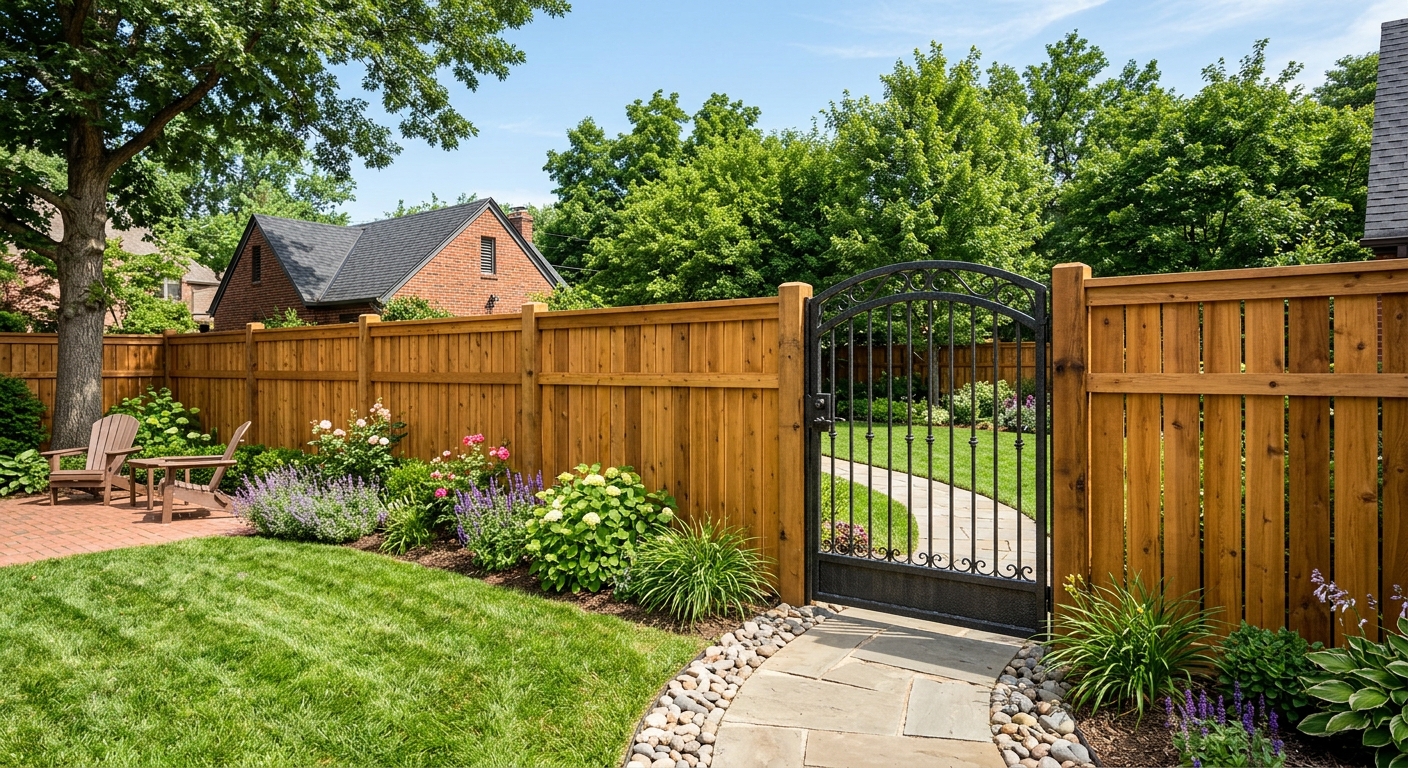
Fencing options and costs in Strathcona Park
In Strathcona Park, Alberta, fencing decisions usually start with one question: how much privacy and durability do you need for a Prairie-style yard that’s exposed to wind and long freeze–thaw cycles? With a local population of (1,980 residents) (Statistics Canada, 2021 Census), there’s a steady mix of homeowners improving their properties, plus plenty of detached and semi-detached lots where boundary fences see daily use. Calgary’s broader housing demand matters too—more detached homes mean more repeatable fencing installs and a wider spread of contractor availability across the season.
Pricing in this area is shaped by the Calgary economic region’s climate. The long winter freeze means contractors generally set posts deeper than you’d expect elsewhere: around 4 ft (≈120 cm) is a common target so the fence resists heaving and stays plumb. That adds excavation time, concrete (for many privacy and gate posts), and labour—especially for 6 ft privacy fences and heavier gate hardware. Prairie open exposure also increases wind loading; solid panels usually need tighter post spacing and fully concreted footings to reduce racking. If you’re near busier local corridors and wind funnels (for example, along established residential pockets in the Strathcona Park area close to major routes), you’ll often see stronger recommendations for heavier framing and sturdier posts.
Below is a practical comparison of common fence types you’ll see in Strathcona Park, along with typical lifespan, upkeep expectations, and per-linear-foot budget ranges to help you translate quotes into apples-to-apples scope.
| Material |
Lifespan |
Maintenance |
Privacy Rating |
Price per Linear Foot |
| Pressure-treated pine (standard wood) |
10–15 years |
Stain/seal every 2–3 years to reduce grey weathering and warping |
High (solid boards) |
$40–$80 |
| Cedar (natural rot resistance) |
15–25 years |
Light sealing/staining every 2–4 years; periodic board checks |
High (solid boards) |
$55–$95 |
| Vinyl / PVC (no-maintenance) |
20–30 years |
Rinse as needed; inspect posts and fittings after extreme cold snaps |
High (solid panels) |
$45–$90 |
| Chain-link (galvanized steel) |
20–40 years |
Occasional coating touch-ups (if damaged); keep bottom clear of debris |
Low to Medium (airflow; privacy requires add-on) |
$25–$55 |
| Aluminum ornamental |
25–40 years |
Occasional wash; inspect for loose brackets after storms |
Medium (open pickets) |
$70–$120 |
| Composite / recycled material |
20–30 years |
Low; rinse and inspect for fastener issues after freeze–thaw |
High (solid styles available) |
$75–$125 |
Prices are estimates only and vary by project scope, site access and material selection.
What affects the price of fencing in Strathcona Park
If you’re seeing quote differences of 30–50% for what sounds like the same fence, you’re not imagining it—fencing pricing in Calgary and nearby Alberta communities can swing widely based on post depth, wind-proofing details, and how a contractor handles excavation and disposal. Two crews can quote “6 ft privacy fence,” but one might plan for frost-protected, concrete-set posts at typical Prairie depth while the other uses lighter setting methods that risk movement over time. Labour availability also shifts through the season, with peak demand usually tightening schedules and pushing install costs upward late spring and early summer.
In the Calgary economic region’s Prairie continental climate, frost protection is a primary driver. Contractors commonly set posts about 4 ft deep (≈120 cm) or ensure the hole extends roughly 4–6 inches below the design frost depth target to prevent heaving. In cold Alberta conditions, that often means deeper holes, longer posts, and more concrete—so your material cost and crew time both rise compared with milder Canadian regions. Wind exposure then determines structural decisions: more openness (chain-link) tolerates gusts with less racking, while solid wood or vinyl panels generally need closer post spacing and sturdier bracing to keep the fence straight.
Real examples from Strathcona Park installs: (1) a backyard fence on a partially sloped grade can require stepped rails or panel racking, adding labour and waste; (2) a gate that must be aligned to a driveway apron often increases hardware costs and requires extra post reinforcement; (3) if your yard needs full concrete footings for multiple gate posts, you’ll typically see a noticeable jump compared with a continuous chain-link run.
That’s why wood and vinyl often land around mid-to-upper bands (for example, wood commonly sits around the $40–$80 range for many installed scopes), while chain-link frequently stays lower (often $25–$55) because posts and braces can be lighter and panels are more wind-permeable.
| Price Factor |
Why It Matters |
Cost Impact |
| Fence length in linear feet |
Every fence type is priced per run; longer runs multiply posts, rails, and labour. |
Largest driver; often determines overall quote scale |
| Post depth required |
Freeze–thaw demands deeper set points to prevent heaving and leaning. |
Can add excavation time and increase post and concrete quantities |
| Post setting method |
Concrete set typically improves stability in Prairie winds and frost conditions. |
Concrete footings raise cost versus gravel pack or lighter methods |
| Material choice |
Vinyl/cedar/wood costs differ, and structural framing requirements change by material. |
Vinyl/wood usually higher; chain-link usually lower |
| Gate count and type |
Gates require stronger posts, hinges, latches, and alignment labour. |
One drive gate can cost disproportionately more than straight fencing |
| Grade and terrain |
Slope needs stepped panels or raked rails to keep the fence top line consistent. |
Extra cutting, measuring time, and waste |
| Old fence removal and disposal |
Demolition affects labour time and dump fees; hidden damage can add surprises. |
Often adds a meaningful add-on to the base fencing price |
| Permit fees and survey / property line locate |
Locates prevent encroachment disputes and clarify where posts can legally sit. |
Can add admin and contractor coordination time |
Permits & regulations in Alberta
In Alberta, the permit requirement for fences is typically tied to height. As a practical homeowner rule in the Strathcona Park area, fences above a threshold—often around 2.0 m (6.5 ft) for rear yards and 1.0–1.2 m (3–4 ft) for front or corner areas—may require a building permit. Even when a permit isn’t required, you still must respect property lines and municipal setback bylaws, and you should verify details with your local permitting office or the relevant municipal process before ordering materials.
Before digging post holes, call for utility locates. In Alberta, you can use Alberta One-Call to mark buried services so you don’t hit gas, power, or telecom lines. Also, get a survey or at least a property pin locate before you start. That’s the best way to prevent encroachment disputes, especially on older lots where fence lines may not match modern pins. For shared boundary fencing, line-fences responsibilities are governed by provincial line-fences legislation, so maintenance and cost-sharing can differ from what neighbours assume informally.
Contractor verification: ask for the contractor’s Alberta licence (where applicable), a current certificate of insurance, and confirmation of coverage for workplace safety (WSIB/WCB). You can check licensing and credentials online where the province provides registries, then cross-check the certificate of insurance dates and the listed insured name. Keep copies—if something goes wrong, it’s your proof that the contractor was properly insured at the time of work.
Choosing the right fence material for Strathcona Park
Choosing a fence material in Strathcona Park should start with your priorities: privacy, low maintenance, budget predictability, and how long you want to keep the investment before the next refresh. Calgary’s Prairie continental climate brings long freeze–thaw cycles and strong winds, so the “best” material is the one that pairs well with proper post depth and stable installation. In most installs, posts are set to resist frost heaving, often with concrete footings for privacy fences and gate posts, which also means your material selection should be matched to those structural requirements.
Pressure-treated pine is the most budget-friendly way to get a solid look, but it needs staining or sealing every 2–3 years to limit grey weathering and check boards. Cedar typically resists rot better and looks warmer, yet it still benefits from periodic sealing for longevity and colour stability. Vinyl/PVC is popular for low-maintenance; it can still crack in extreme cold if improperly installed or flexed, so strong post spacing and proper fasteners matter. Chain-link is the longest-life budget option, but it offers little privacy without add-ons. Aluminum ornamental gives a clean, rust-resistant look, but it’s medium privacy because it’s open pickets.
Concrete-set posts are often justified in Calgary frost conditions for 6 ft privacy fences and gate posts because it helps keep the fence plumb through freeze–thaw and reduces racking under Prairie wind loads. For a real budget example: if a wood privacy fence lands near $40–$80 per linear foot installed, switching to vinyl at around $45–$90 can be worth it when you want to minimize upkeep and plan to keep the fence long-term—provided the installer follows correct post depth and uses bracing suited to wind exposure.
| Material |
Cold Tolerance |
Lifespan |
Annual Maintenance |
Best For |
Price Band |
| Pressure-treated pine |
Good with proper framing and routine sealing |
10–15 years |
Low season-to-season; plan staining/sealing every 2–3 years |
Lowest upfront privacy with manageable upkeep |
$40–$80 |
| Cedar |
Good; responds well to correct fastening and sealing |
15–25 years |
Light check/spot seal 2–4 years; minor board inspections |
Premium natural look and better rot resistance |
$55–$95 |
| Vinyl / PVC |
Very good when installed correctly (no flex and proper fasteners) |
20–30 years |
Near-zero; rinse and inspect fasteners after extreme storms |
Low-maintenance privacy panels |
$45–$90 |
| Chain-link |
Excellent for freeze–thaw; less affected by cold brittleness |
20–40 years |
Minimal; periodic tightening and straightening if needed |
Security and pet containment with airflow |
$25–$55 |
| Aluminum ornamental |
Excellent; not rust-prone and stable in cold |
25–40 years |
Very low; wash and check brackets after wind events |
Curbs and front boundaries with an upscale look |
$70–$120 |
| Composite / recycled |
Good; stability depends on proper rail and post design |
20–30 years |
Low; rinse and fastener checks |
Solid privacy with reduced maintenance than wood |
$75–$125 |
How to choose a fencing contractor in Strathcona Park
Choosing the right fencing contractor in Strathcona Park is mostly about verifying coverage and confirming the details that prevent problems in Alberta’s freeze–thaw climate. Start by confirming the contractor’s liability insurance: request a current certificate of insurance showing general liability and the correct legal name of the business. Next, verify workplace safety coverage—ask for proof of WSIB/WCB coverage (or equivalent coverage documentation where applicable) and confirm the policy is active for the work date. For licensing, check the Alberta registry or relevant online listings for the contractor’s standing, and match the licence information to the company name on your quote.
Then, get 2–3 itemised written quotes rather than lump sums. Itemisation should separate materials (posts, rails, panels, hardware), labour (excavation, set posts, install), and site work (old fence removal, disposal). Read the scope carefully: is permit pulling included if your fence height triggers it? Is disposal included for demolition debris? Are repairs to damaged underground services included if locates are missed? A clear scope reduces “quote creep” later.
Warranty matters too. Ask for a workmanship warranty length and whether it’s transferable to future owners. Also confirm the manufacturer’s product warranty (and what voids it, like improper installation or missing fasteners). Payment schedules should be conservative—never pay more than about 10–15% upfront; use holdback until the job is complete and the fence is inspected. Finally, insist on a written start date and completion estimate so you know the schedule commitment.
- Provide a written, itemised quote (materials, labour, and equipment/excavation).
- Show post depth and whether posts are concrete-set or gravel-packed.
- List gate hardware brand/type and hinge/latch details.
- Confirm who pulls permits if required and whether it’s included.
- Include whether old fence removal and disposal fees are included.
- Request the workmanship warranty terms in writing.
- Ask for product warranty details and registration requirements (if any).
- Verify active liability insurance on the certificate of insurance.
- Verify WSIB/WCB coverage proof for the crew doing the work.
- Confirm timeline with a start date and estimated completion date.
- Use a payment plan with 10–15% max upfront and holdback at substantial completion.
- Require utility locate confirmation before digging post holes.
Concrete red flags in Strathcona Park include: quotes that ignore frost-depth/post-depth details, “lump sum only” pricing with no excavation or disposal line items, no proof of insurance or WSIB/WCB coverage when asked, vague warranty language (“we guarantee it” without durations), and starting work before utility locates or property line verification are addressed.
Frequently asked questions — fencing in Strathcona Park
Who owns and maintains a shared fence?
In Alberta, shared boundary fencing is typically handled under provincial line-fences legislation, so ownership and maintenance duties can depend on how the fence is established and which side it serves. In Strathcona Park, the practical approach is to confirm who owns the fence structure (often based on installation agreement, prior records, or how the fence sits on/near the boundary) and then agree on maintenance expectations in writing. If a neighbour refuses repairs, the legal process can be more involved than people expect, so documenting dates, communications, and repair scope is important. For disputes, it’s smart to start with a property line locate or survey so you aren’t maintaining what is actually on your neighbour’s side.
How do I find my property line before fencing?
Before you install posts, you should verify property pins or get a survey—especially in older subdivisions where fences may not align perfectly with current boundaries. In Strathcona Park and across the Calgary area, the safest step is to locate your property corners/pins (or order a survey if pins are missing or unclear) so the contractor can position posts legally. You should also call for utility locates (Alberta One-Call) before any digging. If you build on the wrong line, you can end up paying to move the fence and possibly re-do the post set and concrete footings. When you’re budgeting, a property locate/survey can add cost, but it’s usually cheaper than correcting an encroachment—particularly for privacy fences that often cost around $40–$80 per linear foot installed.
What's the most low-maintenance fence?
For many homeowners in Alberta, the lowest-maintenance option is typically vinyl/PVC or properly installed aluminum, because they don’t require annual staining and have fewer issues with rot. In Strathcona Park’s freeze–thaw conditions, vinyl can still perform very well when posts are set correctly to resist heaving and when the installer uses the right spacing and hardware for cold weather. Chain-link is also low-maintenance and long-lived, but it won’t provide privacy by itself. If privacy is your priority, vinyl privacy panels tend to be the “set it and forget it” choice. Budget-wise, vinyl often sits in the mid-to-upper band—commonly around $45–$90 per linear foot installed—so the upfront difference can be justified by skipping re-staining cycles that wood typically needs every 2–3 years.
How tall can my fence be in Strathcona Park?
Fence height rules in Alberta are usually tied to municipal bylaw requirements and permit thresholds. As a practical rule for Strathcona Park homeowners, rear yards often trigger permits around 2.0 m (6.5 ft), while front or corner yard fences are commonly limited to about 1.0–1.2 m (3–4 ft) unless you confirm an allowance. Even if your fence is under the height threshold, setbacks from property lines and corner visibility concerns may apply. Because these requirements can vary by location and exact siting, the best step is to confirm the current municipal height and setback guidance before you order materials—especially if you’re planning a 6 ft (about 1.8 m) privacy fence that’s popular in windy backyards.
Should fence posts be set in concrete here?
In the Calgary economic region, concrete-set posts are commonly recommended for stability because frost protection and wind loading are critical. For Strathcona Park, contractors often plan for deep post holes (around 4 ft/≈120 cm) and use concrete footings for many privacy fence posts and especially for gate posts. Concrete doesn’t automatically guarantee a perfect fence, but it helps resist movement through freeze–thaw and reduces racking under Prairie gusts. Chain-link sometimes uses different post-setting approaches because the wind load is lower due to airflow through the mesh. If you’re choosing wood or vinyl privacy, it’s reasonable to expect concrete for structural posts, particularly at corners and gates.
What's the best fence for privacy?
The best privacy fence in Strathcona Park usually means solid panels with appropriate structural framing and wind-resistant spacing—so material and installation both matter. Vinyl/PVC privacy, cedar privacy boards, and pressure-treated pine privacy boards are common solutions, and all can perform well when posts are set to resist heaving and the panels are braced for wind loading. Chain-link is generally not considered a privacy fence unless you add privacy slats or screening, and even then, wind can still move lightweight framing. If you want a clear budget anchor: wood privacy installs often land around $40–$80 per linear foot in many Calgary-area scopes, while vinyl privacy typically sits a bit higher at about $45–$90. The “best” choice comes down to whether you prefer lower upkeep (vinyl) or lower upfront material cost (wood/cedar) and how long you want the fence to last.