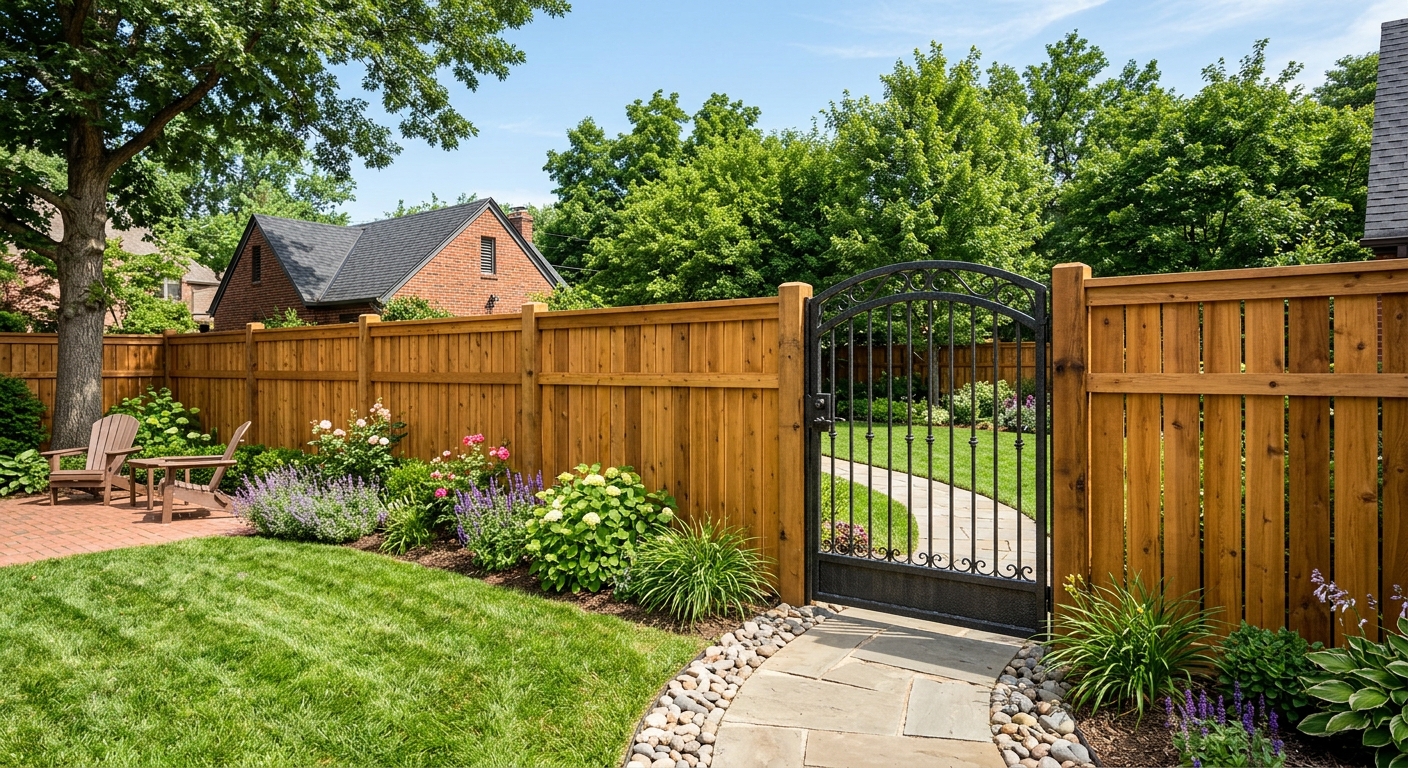
Fencing options and costs in Whalley
Whalley is a busy corner of the Lower Mainland–Southwest, where many homes need fencing for privacy, pet safety, and yard separation. With a population of 102,555 (Statistics Canada, 2021 Census), demand stays steady year-round, and fencing is especially common in established residential pockets like Fraser Highway and the Surrey side streets nearby. In areas with more detached housing, each fenced property is a potential customer—so local ownership patterns help predict contractor workload and scheduling.
Pricing in Whalley is shaped by a mild but not trivial mix of frost and wind, plus wetter Fraser Valley soils. Even when coastal BC frost is shallower than the Prairies, contractors still set posts deeper than the bare minimum to limit heaving in damp ground, which typically means deeper holes, more concrete at key posts, and extra labour. Wind exposure also affects spacing and panel strength—particularly for solid privacy fences and any taller installations.
On top of site conditions, contractor availability and material lead times can shift quotes. That’s why “same length, same height” projects can land in different price bands. To make apples-to-apples comparisons easier, review the options below, then match the lifespan and maintenance needs to your priorities and your yard conditions. The table is the fastest way to compare typical installed pricing in the Whalley market.
| Material |
Lifespan |
Maintenance |
Privacy Rating |
Price per Linear Foot |
| Pressure-treated pine (standard wood) |
10–15 years |
Stain/seal every 2–3 years; inspect posts annually |
8/10 (solid board styles) |
$55–$95 |
| Cedar (natural rot resistance) |
15–20 years |
Light staining every 2–4 years (or weather naturally) |
9/10 (solid board styles) |
$65–$110 |
| Vinyl / PVC (no-maintenance) |
20–30 years |
Rinse/clean as needed; no painting |
9/10 (solid privacy panels) |
$75–$130 |
| Chain-link (galvanized steel) |
20–40 years |
Occasional tension checks; rinse/spray if needed |
3/10 (privacy optional with slats/mesh) |
$30–$55 |
| Aluminum ornamental |
25–40 years |
Wash periodically; inspect hardware |
4/10 (open style) |
$90–$170 |
| Composite / recycled material |
20–30 years |
Low maintenance; clean and inspect annually |
8/10 (privacy styles) |
$95–$155 |
Prices are estimates only and vary by project scope, site access and material selection.
What affects the price of fencing in Whalley
In Whalley, two contractors can price the “same fence” differently because Lower Mainland–Southwest jobs rarely match perfectly on soil, access, and post detailing. In practice, bids commonly swing by 30–50% across British Columbia when yard conditions change—especially where wetter ground increases labour for digging and where taller, more solid fences need stronger posts and hardware. Material costs and crew efficiency also play a role: vinyl/PVC and aluminum tend to carry higher material-driven premiums, while chain-link usually stays closer to the lowest-cost end of the spectrum.
Frost and soil moisture are the big cost drivers for post installation. Frost line depth determines how deep posts must be set; typical guidance is to place posts about 4–6 inches below the design frost depth to reduce heaving. In cold Ontario and Alberta regions, that often means 1.5–2.0 m of embedment and concrete setting, with longer posts and more labour. Whalley’s frost is generally shallower than the Prairies, but Fraser Valley soil is wetter, so crews still go deeper than “minimum,” and concrete is frequently used for privacy panels, corner posts, and gate posts.
Concrete examples from Whalley-area installs: (1) soft, mucky soil often requires larger holes and more concrete to stabilize posts; (2) sloped lots in Whalley can add stepped panel labour, extra rails, and additional fittings; (3) windy backyard exposures call for tighter spacing and stronger framing, which increases materials. These changes can shift a standard wood privacy job from the low end of the $55–$95 band toward higher pricing, or move a vinyl job within the $75–$130 range depending on post count and gate complexity. In short, the housing age and drainage pattern in older neighbourhood pockets can add real dollars—sometimes several hundred—just to get posts solid and plumb.
| Price Factor |
Why It Matters |
Cost Impact |
| Fence length in linear feet |
Most materials and labour scale directly with total run length |
High; usually the largest portion of the invoice |
| Post depth required |
Frost conditions and wet soils dictate embedment and hole depth |
Medium to high; deeper holes mean longer posts and more concrete |
| Post setting method |
Concrete vs. gravel pack vs. driven posts changes labour and hardware |
Medium; concrete-setting often costs more |
| Material choice |
Vinyl/cedar/wood/chain-link have different material and framing needs |
Medium to high; can shift you between price bands |
| Gate count and type |
Gates need extra framing, hinges, latches, and sometimes stronger posts |
Medium; double gates add significant cost |
| Grade and terrain |
Slope requires stepped, raked, or custom panel layout |
Low to medium; can become medium on steep yards |
| Old fence removal and disposal |
Hauling, recycling/disposal fees, and time on demolition |
Low to medium; varies widely based on access |
| Permit fees and survey / property line locate |
Required documentation and locating reduces encroachment risk |
Low to medium; can be meaningful on larger or taller fences |
Permits & regulations in British Columbia
In British Columbia, fences can trigger a building permit when they exceed a height threshold—commonly around 2.0 m (6.5 ft) at the rear and about 1.0–1.2 m (3–4 ft) at the front or corner, depending on local bylaw interpretation. Regardless of height, fences must respect property lines and any municipal setback requirements that apply to your parcel. Before you dig any post hole, arrange utility locates (through BC 1 Call) so you don’t hit buried services such as hydro, telecom, or irrigation lines.
Step 1: Confirm your property line. If you don’t have it clearly marked, book a survey or at least a professional locate of your property pins so the fence doesn’t creep onto a neighbour’s yard. Step 2: Ask your contractor what they’re responsible for—permit pull, site plan requirements, and how they’ll document setbacks. Step 3: Verify boundary conditions if you’re replacing an existing fence that may not be perfectly aligned.
In terms of what typically requires a permit versus not: most routine fences under the height thresholds usually do not require a permit, while taller fences, boundary fences with special conditions, or installations that require review of height/setback often do. For shared fence situations, maintenance and ownership can be shared between neighbours under provincial line-fence rules, so clarify roles before construction.
To verify a Whalley-area contractor, check three things: (1) licensing/registration (via the provincial registry information they provide), (2) liability insurance certificate of insurance showing they’re insured for property damage and bodily injury, and (3) clearance/coverage information for workers (WSIB/WCB equivalent in BC). Ask to see current certificates before work begins, and match the company name and jobsite address on the documents.
Choosing the right fence material for Whalley
Choosing a fence material in Whalley comes down to your priorities: privacy, low maintenance, budget, and lifespan—then matching those needs to a wet, mild-but-windy coastal climate. Pressure-treated pine is the lowest-cost “real fence” option in many neighbourhoods, but it typically needs staining or sealing every 2–3 years to slow grey weathering and protect against moisture cycling. Cedar offers better natural rot resistance and a warmer look, yet it still benefits from periodic staining if you want it to stay visually consistent.
Vinyl/PVC is popular for homeowners who want to stop thinking about painting; it’s generally no-maintenance aside from washing. The trade-off is that vinyl can become brittle in extreme cold snaps, so good installation details matter—strong post supports, proper rail spacing, and correct fasteners. Chain-link is usually the best value per dollar and lasts a long time, but it won’t give privacy unless you add privacy slats or mesh screening. Aluminum ornamental fencing is attractive and rust-resistant, but it’s designed for visibility rather than full privacy.
Post-depth matters regardless of material. In the Lower Mainland–Southwest, frost is milder than the Prairies, but wetter soils still push contractors to set posts deeper and frequently concrete-set corner posts and gate posts to prevent wobble over time. For taller solid fences in windy backyards, tighter framing and stronger posts help manage wind load and reduce racking.
As a simple budget example: if you’re comparing wood at $55–$95 versus vinyl at $75–$130, the extra upfront cost can be justified when you’re replacing a fence that you don’t want to stain repeatedly—especially in a damp area where wood surface issues show up faster.
| Material |
Cold Tolerance |
Lifespan |
Annual Maintenance |
Best For |
Price Band |
| Pressure-treated pine |
Good (with proper sealing and hardware) |
10–15 years |
1–2 short inspections; stain/spot-seal every 2–3 years |
Budget privacy with acceptable upkeep |
$55–$95 |
| Cedar |
Good (natural rot resistance) |
15–20 years |
Wash/inspect; stain every 2–4 years if desired |
Better look and natural resistance |
$65–$110 |
| Vinyl / PVC |
Very good; avoid overly flexible installs in cold snaps |
20–30 years |
Rinse as needed; no painting |
Low maintenance privacy |
$75–$130 |
| Chain-link |
Excellent (metal is stable) |
20–40 years |
Periodic tension check; rinse when needed |
Pets/safety on a budget |
$30–$55 |
| Aluminum ornamental |
Excellent (powder-coated surfaces) |
25–40 years |
Wash/inspect hardware |
Front yard definition with curb appeal |
$90–$170 |
| Composite / recycled |
Good (manufacturer-dependent) |
20–30 years |
Low; inspect and clean annually |
Long-life privacy without frequent painting |
$95–$155 |
How to choose a fencing contractor in Whalley
When you hire a fence contractor in Whalley, verify credentials before you get excited about the price. In British Columbia, start by confirming they’re licensed/registered where applicable for their business activities, then check liability insurance. Ask for a certificate of insurance listing the correct legal business name and showing coverage limits appropriate for construction at residential sites. For workforce coverage, request proof of workers’ compensation coverage (WSIB/WCB coverage equivalent documentation in BC). Don’t accept screenshots—ask for the certificate pages or a current clearance letter and confirm dates.
Next, request 2–3 itemised written quotes. You want the labour line items (posts installation, rails, assembly, finishing), material selection (exact product type/grade), and hardware (gates, hinges, latches) separated—not lump sum. Clarify what’s excluded: fence removal, hauling, concrete supply, utility locate costs, and any additional works if the ground conditions are tougher than expected.
Warranty should be written down: workmanship warranty length (how long they stand behind labour), product/manufacturer warranty (what components are covered), and whether it’s transferable to a future homeowner. For payment scheduling, never pay more than about 10–15% upfront; hold a portion until the work is complete and the fence is inspected for alignment, hardware function, and post stability.
Finally, insist on a timeline in writing: start date, estimated completion window, and what weather-related delays mean. In Whalley, rain and wet soil can slow post-hole work, so a contractor should explain how they manage scheduling and cure times when concrete is used.
- Ask for proof of current liability insurance before signing anything.
- Request workers’ compensation clearance/coverage documentation (BC equivalent) for the crew.
- Verify business information matches the quote and invoice (company name, address, phone).
- Get 2–3 itemised quotes with labour, materials, and hardware listed separately.
- Confirm whether permit pull is included (if your height/setback triggers it).
- Confirm utility locate responsibility and who pays for BC 1 Call.
- Ask how they locate property lines and whether a survey is recommended for unclear boundaries.
- Check whether old fence removal and disposal/hauling are included.
- Ensure post-setting method is specified (concrete vs. gravel pack) and where.
- Confirm exact fence height, fence style, and gate hardware (hinges, latch type, swing direction).
- Review warranty terms in writing, including workmanship and product coverage.
- Use a sensible payment schedule (no large upfront payment; holdback until completion).
Red flags in Whalley include: refusing to provide insurance/coverage documents, quoting only with a single lump-sum number without a breakdown, skipping utility locates before digging, “minimum embedment” promises that ignore wetter soil conditions, and starting work before property lines/height setbacks are confirmed.
Frequently asked questions — fencing in Whalley
Wood vs vinyl vs aluminum fence — which is best?
For many homeowners in Whalley, “best” depends on whether you prefer privacy with low upkeep or maximum curb appeal. If you want privacy and the least maintenance, vinyl/PVC is often the go-to, typically priced in the $75–$130 range for installed options. If you want a strong value and don’t mind seasonal upkeep, pressure-treated pine or cedar can fit better—wood privacy commonly lands in the $55–$95 band for standard installations, with cedar often trending higher within wood options. Aluminum ornamental fencing is usually the right choice for fronts and side yards where visibility matters; it’s more durable than wood and won’t rust, but it won’t deliver full privacy like solid board styles. Whichever you pick, post-depth and wind stability details matter in Lower Mainland–Southwest conditions.
Do I need a permit to build a fence in British Columbia?
In British Columbia, permits can apply when fence height exceeds common local thresholds—often around 2.0 m (6.5 ft) at the rear and about 1.0–1.2 m (3–4 ft) near the front or corner, depending on municipal bylaw interpretation. Even when a permit isn’t required, setbacks and property line rules still apply, so it’s worth confirming your plan before you order materials. In Whalley, the practical step is to ask your contractor if your fence height and location trigger a permit review and whether they include permit pull in the quote. Also remember utility locates (BC 1 Call) before digging post holes, and consider a survey or property-pin locate if your boundary is unclear to avoid encroachment disputes.
How long does a wood fence last in Whalley?
A wood fence lifespan in Whalley is commonly about 10–15 years for pressure-treated pine when it’s installed correctly and maintained, with cedar often reaching roughly 15–20 years thanks to better rot resistance. The damp, wet-soil cycle in the Lower Mainland–Southwest means post stability is critical; if posts aren’t set deep enough for local frost conditions and wet ground, you can see wobble and premature failure. Maintenance also matters: staining or sealing every 2–3 years for pine helps slow grey weathering and moisture damage. If you’re trying to avoid frequent upkeep, vinyl or composite can be a better long-term fit—even if the upfront cost is higher, it often saves you from repeated staining schedules.
Who owns and maintains a shared fence?
Shared fence ownership and responsibilities in British Columbia are governed by provincial line-fence rules, and details can vary based on the history of the fence and how neighbours agreed to it. In practice, if a fence is considered shared, both homeowners may have obligations for maintenance, but the exact “who pays for what” can depend on whether one party is requesting changes or if the fence was originally erected as a shared boundary structure. For Whalley properties, the best approach is to clarify in writing before construction: which sections are being replaced, who approves the design and height, and who covers costs for repairs or upgrades. A good contractor can help document the scope, but the boundary responsibility still rests with the homeowners’ shared arrangement and the applicable line-fence rules.
How do I find my property line before fencing?
Before you install a fence in Whalley, confirm property lines so the fence doesn’t encroach. Start by checking for existing property pins on-site—if they’re capped or missing, call for a professional property line locate or hire a surveyor. Many disputes start because fences were built from rough assumptions rather than from documented pin locations. If your contractor proposes to install based only on “typical spacing” without locating pins, ask them to explain how they’ll protect your boundary. Also plan ahead: even if you don’t need a permit, you still need to respect property line requirements and setbacks. If you’re unsure, get a locate/survey first, then request a quote using the confirmed layout.
What's the most low-maintenance fence?
For low maintenance in Whalley, vinyl/PVC is usually the easiest option. It’s typically chosen because it doesn’t require painting or routine staining, and homeowners can keep it looking good with occasional rinsing and hardware checks. Vinyl privacy installations often land in the $75–$130 installed range depending on height, gate count, and post detailing. If you want a lower-cost low-maintenance alternative, chain-link can also be low upkeep over the long term (often $30–$55), but it won’t provide privacy unless you add slats or screening. Wood can be maintained to last, but it’s inherently higher effort due to moisture cycling in Lower Mainland–Southwest conditions.