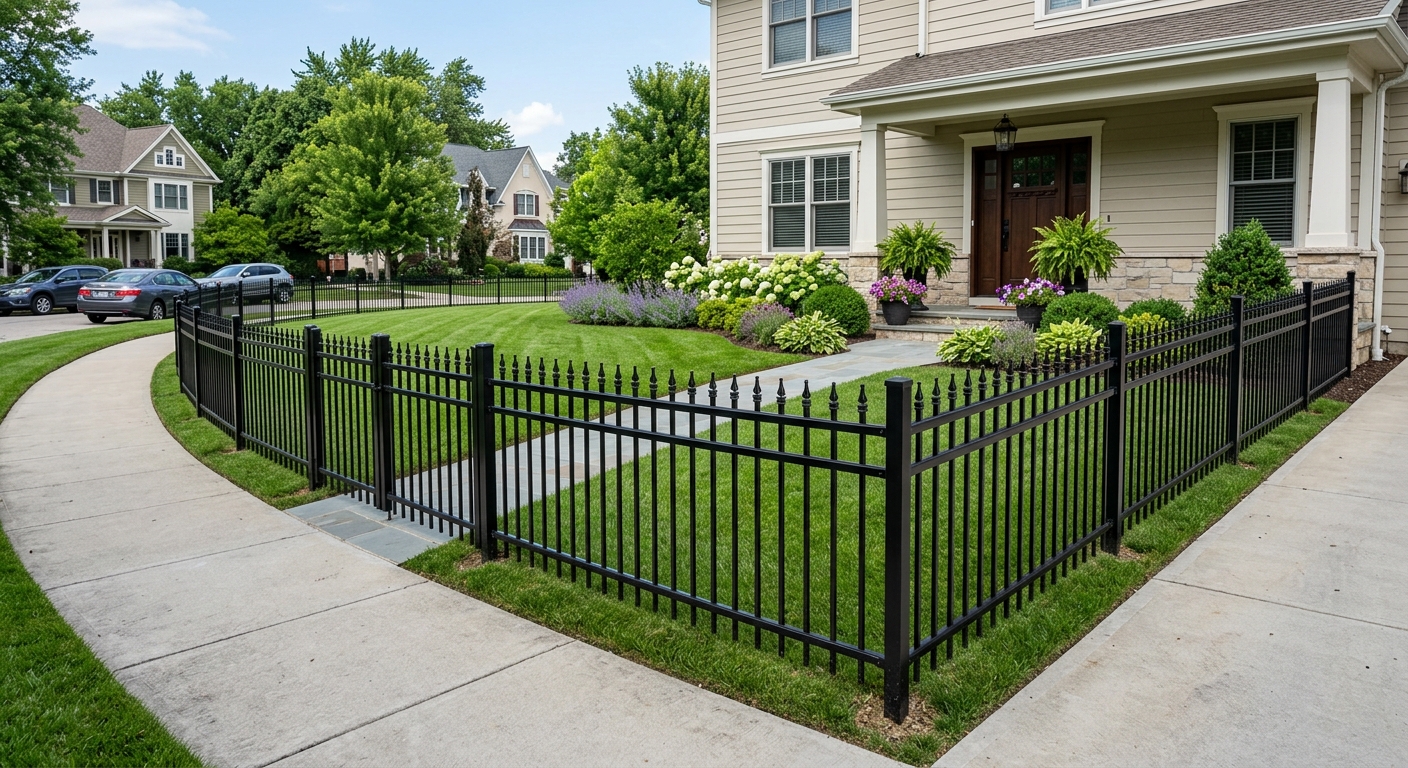
Fencing options and costs in Bow Island
Bow Island homeowners can choose from a range of fencing styles, but the “best value” option usually comes down to privacy needs, budget, and how much wind and freeze–thaw your yard experiences. With 83.0% of dwellings in the area being single-detached homes (Statistics Canada, 2021 Census), demand is steady year-round because detached properties typically have more perimeter to secure and more neighbours sharing fence lines. Ownership is also relatively high—470 homeowner households, or 70.1% of households own (Statistics Canada, 2021 Census)—which strongly influences how often residents invest in upgrades like new gates or full privacy upgrades.
In the Lethbridge–Medicine Hat region, Southern Alberta’s climate shapes both labour time and material selection. Frost typically runs deep enough that posts must be set well below the design frost depth to reduce winter heave and long-term leaning. That often means machine-dug holes and concrete-set posts, especially for wood, vinyl, and privacy systems. Prairie wind exposure then affects engineering choices: tighter post spacing, sturdier rails, and sometimes lighter sightline panels that “catch” less wind.
Contractors also see predictable spikes in demand around places like the Bow Island town core and surrounding residential blocks, where homeowners often replace aging backyard runs and add decorative front yards before summer outdoor events. If you’re comparing quotes, the table below helps you understand typical lifespan, maintenance, and expected installed cost per linear foot for common materials in Bow Island.
| Material |
Lifespan |
Maintenance |
Privacy Rating |
Price per Linear Foot |
| Pressure-treated pine (standard wood) |
12–18 years |
Stain/seal every 2–3 years |
High (solid boards) |
$35–$65 |
| Cedar (natural rot resistance) |
18–25 years |
Light staining every 2–4 years |
High (solid boards) |
$55–$75 |
| Vinyl / PVC (no-maintenance) |
20–30 years |
Wash only; inspect posts/gates |
High (solid privacy styles) |
$60–$85 |
| Chain-link (galvanized steel) |
25–35 years |
Rinse; tighten hardware as needed |
Low–Medium (security only) |
$25–$50 |
| Aluminum ornamental |
25–40 years |
Wash; tighten seasonal hardware |
Low–Medium (decorative pickets) |
$60–$110 |
| Composite / recycled material |
20–30 years |
Wash; occasional board replacement |
High (solid privacy styles) |
$70–$95 |
Prices are estimates only and vary by project scope, site access and material selection.
What affects the price of fencing in Bow Island
In Bow Island, the same basic fence line can land in very different quote ranges—often 30–50%—because installers price for real ground conditions and winter performance, not just “square footage.” Even within the Lethbridge–Medicine Hat region and across Alberta, crews may handle frost-set posts, wind bracing, and site access differently. For example, a privacy wood fence at 6 ft tall can price like the lower end when it’s a straight run with good access, but it climbs quickly when it needs more bracing, heavier rails, and deeper, concrete-set post holes.
Frost line depth is one of the biggest drivers. Southern Alberta frost lines are commonly around 4 ft, and posts must be set deep enough—often roughly 4–6 inches below the design frost depth—to help prevent heaving and gradual leaning. That can push post lengths and hole depth to about 1.5–2.0 m into the ground, which increases material (longer posts) and labour hours (machine digging, concrete, and re-tamping). Wind exposure across prairie setbacks then increases engineering: contractors may use tighter post spacing and sturdier rails to manage lateral load—especially for solid privacy wood and vinyl that can act like a sail.
Two local examples: (1) older neighbourhoods and yards where the ground is drier and compacted may take more time to auger to frost depth, raising labour; (2) properties with mature landscaping often require extra protection and careful material handling, which also adds time. Since 58.2% of homes were built before 1981 (Statistics Canada, 2021 Census), it’s common to see older fence footprints, buried debris, and non-standard property line conditions—each can add work. On pricing bands, wood systems frequently land around $35–$70 per linear foot, while vinyl/PVC privacy often sits nearer the $40–$80 range depending on post setting and gate complexity.
| Price Factor |
Why It Matters |
Cost Impact |
| Fence length in linear feet — the primary cost driver |
Every additional foot adds posts, rails, and fastening |
Directly scales total; typically dominates the quote |
| Post depth required — frost line determines post length and hole depth |
Deeper frost setting reduces winter heave and leaning |
Concrete + labour time can raise costs meaningfully |
| Post setting method — concrete vs. gravel pack vs. driven posts |
Concrete-set posts are more reliable in freeze–thaw |
Concrete usually adds both materials and labour |
| Material choice — vinyl vs. cedar vs. chain-link |
Different materials have different rail systems and hardware |
Vinyl and cedar often cost more than chain-link |
| Gate count and type — walk-through vs. drive-through (double) |
Gates require heavier frames, stronger posts, and hinges |
Can add a noticeable premium over fence-only runs |
| Grade and terrain — sloped yards require stepped or raked panels |
Slope increases layout time and may require custom cuts |
More labour; sometimes extra rails and posts |
| Old fence removal and disposal |
Demolition includes hauling and possible salvage |
Often adds cost if concrete footings or heavy rails exist |
| Permit fees and survey / property line locate |
Compliance and accurate alignment prevent disputes |
Small-to-moderate cost, but prevents costly rework |
Permits & regulations in Alberta
In Alberta, fences above a height threshold—typically 2.0 m (6.5 ft) for rear yards and 1.0–1.2 m (3–4 ft) for front yards or corners—often require a building permit. Even when a permit isn’t required, the fence must respect property lines and any municipal setback rules that apply in Bow Island. Before digging any post hole, call for utility locates through Alberta One-Call so the crew can avoid damaging underground services. It’s also wise to obtain a survey or at least a locate of your property pins before installation; that reduces the risk of encroachment disputes with neighbours.
Shared fence ownership rules are addressed through Alberta’s line-fences framework, so where a fence is on or near the property boundary, communication and documentation matter. From a “what DOES require a permit” standpoint, plan on permitting for taller privacy fences (around 2.0 m rear) and any fence that otherwise exceeds local height provisions or requires special approvals. What typically does not require a permit is a like-for-like replacement of a fence at the same height and location—however, if you’re changing height, moving the fence to a new line, or adding a large gate/feature, you should confirm requirements before work begins.
To verify your contractor, ask for their Alberta licence details and ensure they carry liability insurance. Also request proof of WCB/WSIB coverage (Workers’ Compensation coverage) for any workers on site. For due diligence, check online listings for the licence/registration status, keep a copy of their certificate of insurance (showing limits and coverage), and verify coverage dates/endorsements. If they can’t provide clear documentation, choose another installer.
Choosing the right fence material for Bow Island
Your “right” fence in Bow Island should balance privacy, cold performance, and maintenance effort. Pressure-treated pine is the budget-friendly start, but it typically needs staining every 2–3 years to slow grey weathering and protect against surface cracking. Cedar has natural rot resistance and often looks better longer, but it still benefits from periodic sealing/staining. Vinyl/PVC is a strong low-maintenance choice because it doesn’t need painting, yet extreme cold snaps and heavy impacts can cause cracking at weak points like gate corners—so post depth and correct bracing matter. Chain-link is the longest-lasting, lowest-cost option for security, but it won’t deliver privacy unless you add privacy slats or screen systems. Aluminum ornamental offers clean, rust-resistant lines, but it’s usually a mid-range cost and won’t provide full privacy because of open pickets.
For freeze–thaw durability, post depth and setting method matter as much as material. In the Lethbridge–Medicine Hat region, frost lines are commonly around 4 ft, so contractors typically set posts below design frost depth—often concrete-set at roughly 1.5–2.0 m into the ground. That helps reduce winter heave and leaning, which is especially critical for heavier privacy panels and taller gates. Wind loading also matters: prairie gusts can put lateral stress on rails, so you may see tighter spacing or sturdier rails on solid privacy styles. Composite/recycled materials can be a good compromise—higher upfront cost than wood, but generally stable in cold when installed correctly.
Where the price difference is justified: if you’re deciding between standard pressure-treated pine and cedar, a typical wood run may sit around $35–$70 per linear foot, while cedar often trends higher (commonly $55–$75). If you expect to stay in your home long-term and want better appearance through harsh prairie winters, the cedar premium can be worth it because it tends to look consistent for longer before major maintenance catches up.
| Material |
Cold Tolerance |
Lifespan |
Annual Maintenance |
Best For |
Price Band |
| Pressure-treated pine |
Good (with correct post setting) |
12–18 years |
Seasonal inspection; stain as needed (every 2–3 years) |
Budget privacy with willingness to maintain |
$35–$70 |
| Cedar |
Good (naturally rot-resistant) |
18–25 years |
Inspect; light sealing/staining every 2–4 years |
Premium look and longer-lasting wood option |
$55–$75 |
| Vinyl / PVC |
Very good (may need impact protection) |
20–30 years |
Wash/clean; check gate hinges and post hardware |
Low maintenance privacy |
$40–$80 |
| Chain-link |
Excellent |
25–35 years |
Rinse; tighten fittings occasionally |
Security and long life |
$25–$50 |
| Aluminum ornamental |
Excellent (no rust) |
25–40 years |
Wash; tighten hardware periodically |
Decorative frontage with durability |
$50–$110 |
| Composite / recycled material |
Good (stable with proper installation) |
20–30 years |
Wash; inspect for fastener stress |
Privacy with a wood-like look and longer stability |
$70–$95 |
How to choose a fencing contractor in Bow Island
Start by verifying contractor basics in Alberta. Confirm the company’s Alberta licence/registration details online, then ask for a certificate of insurance for liability coverage (it should clearly list the insured contractor and the policy limits). For coverage related to jobsite workers, request proof of WCB/WSIB coverage so you’re not exposed to costs if an incident occurs. If they can’t provide documentation immediately, that’s a serious warning.
Get 2–3 itemised written quotes—not a single lump-sum number. The quote should break out labour, materials, gates, post setting, concrete quantity (or method), and any access-related costs. Carefully read what’s excluded: removal/disposal of the old fence, utility locating/locate costs, permit pulling, survey or property line locate, and repairs to neighbouring landscaping. For fencing, clarity matters because one “small omission” (like not including concrete-set posts to frost depth) is exactly how budgets drift.
Ask about warranty: a workmanship warranty (how long the installer stands behind the build) and separate product/manufacturer warranty (what’s covered for the material itself). Determine whether the warranty is transferable if you sell the home. For payment, avoid large upfront amounts—never more than 10–15% at the beginning—and use a holdback until the job is complete and cleaned up. Finally, request a start date and an estimated completion window in writing, since prairie weather can affect installation sequencing.
- Request licence/registration verification details and confirm they’re current.
- Ask for liability insurance certificate (policy limits visible) and keep a copy.
- Confirm WCB/WSIB coverage for workers before scheduling digging.
- Get 2–3 itemised quotes with labour + materials separated.
- Ensure post setting details are specified (depth/setting method, not just “posts installed”).
- Ask whether concrete is included and what quantity/mix is planned.
- Clarify gate type, hardware quality, and who supplies hinges/latches.
- Confirm whether fence removal and disposal is included or priced separately.
- Verify utility locate and responsibility for marking/enabling safe excavation.
- Ask if permit pulling (when required) is included or an add-on.
- Check warranty length for workmanship and manufacturer coverage terms.
- Review payment schedule: ≤10–15% upfront; holdback until completion.
In Bow Island, common red flags include: contractors who won’t provide insurance/WCB proof; quotes that use vague language like “standard posts” without depth or setting method; refusing to itemise gates/hardware and removal/disposal; asking for large upfront payments (beyond 10–15%); and inconsistent timelines without weather-aware scheduling or a written start/completion estimate.
Frequently asked questions — fencing in Bow Island
How long does fence installation take in Bow Island?
Typical installation in Bow Island depends mostly on linear footage, number of gates, and how difficult post holes are at frost-setting depth. For straightforward runs—one straight line with a couple of walk gates—you may see progress within a few working days. Longer privacy fences (6 ft or taller) can take longer because crews spend extra time on layout, concrete-set posts, bracing against prairie wind, and careful alignment for panels. If you also need old fence removal and disposal, plan additional time for demolition and haul-away. Weather matters too: freezing conditions can slow excavation and affect concrete placement, so reputable contractors schedule around forecasted cold snaps.
Can I install a fence on a slope in Bow Island?
Yes, you can install a fence on a slope in Bow Island, and most installers regularly build on sloped residential lots. The key is how the fence is stepped or raked so the top rail stays aligned while boards/panels follow the grade. If you choose solid privacy styles (wood, vinyl, or composite), slope layout becomes more labour-intensive because panels may require stepped heights or custom spacing to keep the fence looking straight. For chain-link and many ornamental aluminum designs, you can still rake or use step adjustments, but the aesthetic can differ. Make sure your contractor explains the chosen method in the quote so you’re not surprised by changes to panel heights.
What is the most weather-resistant fence for Bow Island's climate?
For Bow Island’s prairie freeze–thaw and wind exposure, weather resistance usually comes down to correct post depth and robust framing—not just the label on the fence. In practice, chain-link (galvanized steel) and aluminum ornamental often perform exceptionally well over the long term because they resist rust and don’t rely on painting/staining. For privacy, cedar and vinyl are commonly strong performers when posts are set below frost depth and bracing is adjusted for wind loads. If you’re choosing between budget wood and longer-term options, remember that pressure-treated pine can last well too, but it requires maintenance (typically staining every 2–3 years) to keep it looking good through harsh winters.
How do I prevent wood fence rot in Bow Island?
Preventing wood rot in Alberta’s Bow Island area starts with installation details. The biggest causes of early rot are moisture trapped at the bottom of boards and posts not set properly for freeze–thaw movement. Use correct post depth and consider concrete-set posts so the posts sit below frost and don’t heave and crack at the base. Keep board spacing consistent so water doesn’t pool, and ensure top caps/rails shed water. For pressure-treated pine, plan on staining/sealing every 2–3 years; for cedar, periodic sealing helps maintain surface protection and reduces grey weathering. Also inspect after winter—look for loose fasteners or gaps where wind-driven moisture can reach the wood.
What is the cost per linear foot for fencing in Bow Island?
In Bow Island and the Lethbridge–Medicine Hat region, installed fencing typically follows the regional price bands, with final numbers depending on gate count, post setting depth, and site access. Wood installation commonly lands in the $35–$70 per linear foot range. Vinyl/PVC privacy often trends closer to $40–$80 per linear foot, especially where deeper concrete-set posts and stronger rails are needed for wind loads. Chain-link is usually the lowest-cost option, frequently $25–$50 per linear foot, while aluminum ornamental can run up to $50–$110 depending on height and hardware. Ask for an itemised quote so you can compare like-for-like.
Should I repair or replace my old fence in Bow Island?
Repair is often worth considering if the fence posts are still solid and below-ground rot/heave hasn’t compromised the structure. In Bow Island, early failure usually shows up as leaning sections, loose top rails, or boards that are soft near the fasteners. If you see multiple compromised posts, severe warping, or widespread rot—especially on privacy fences—the cost of repeated patching can quickly exceed replacement. Replacement can also be a practical upgrade if your old fence doesn’t set properly for frost depth or lacks the bracing needed for prairie wind. As a rule of thumb, if repairs involve more than a few panels and hardware sections, replacement is frequently the better long-term value. An installer can assess whether partial replacement aligns with your budget and timelines.