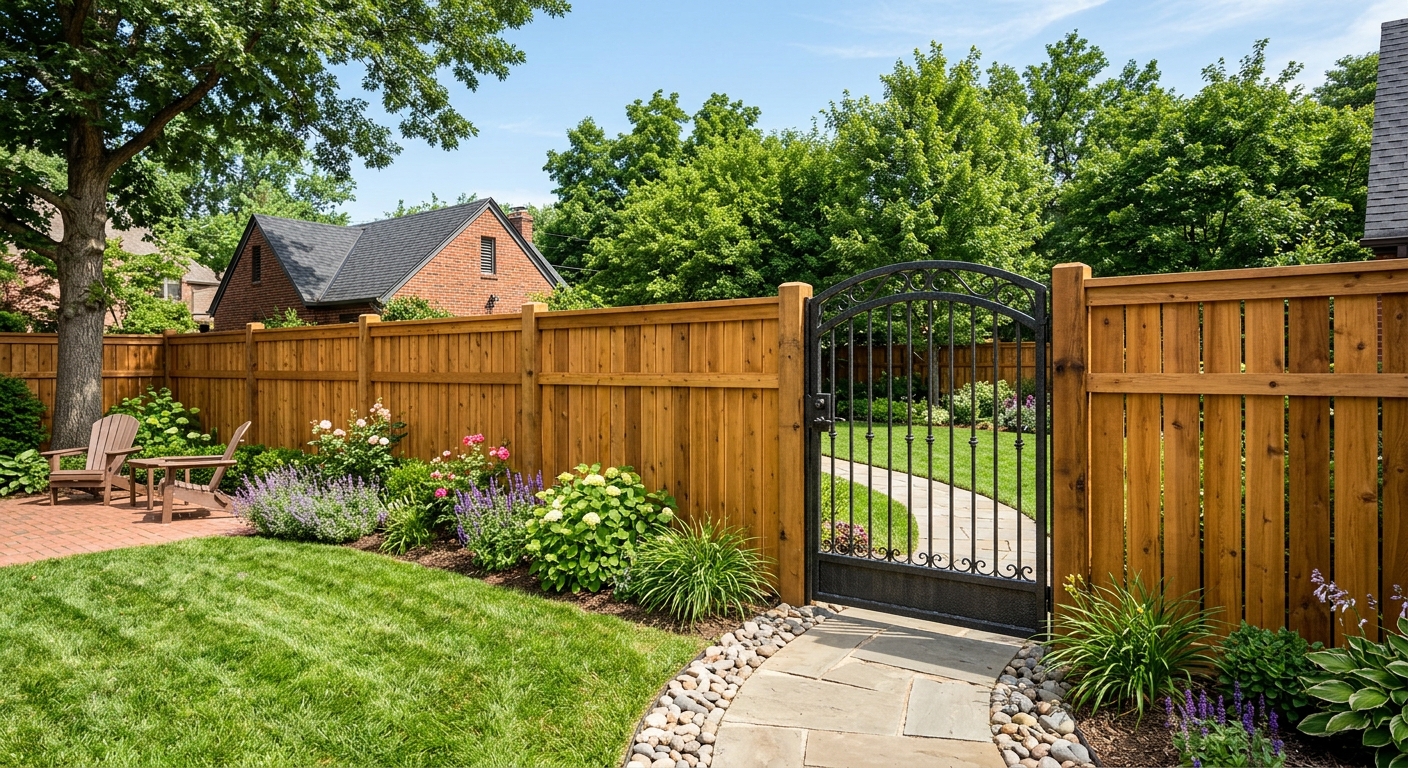
Fencing options and costs in Fleetwood
Fencing in Fleetwood is a practical upgrade for privacy, pets, and property definition—and with a population of 65,565 (Statistics Canada, 2021 Census), there’s steady demand from homeowners across Surrey and the wider Lower Mainland–Southwest area. While no single statistic predicts every yard’s needs, the area’s housing stock means plenty of detached lots that eventually need panel repairs, new gates, or complete rebuilds after weathering or age. In Fleetwood, a fence also has to tolerate mild but not trivial frost and frequent wind exposure, plus the wetter Fraser Valley soils that can make post-holes more labour-intensive.
On pricing, Lower Mainland–Southwest bids often land higher than you’d expect from the “average” Canadian range because crews typically set posts below frost influence to limit heaving. That usually means deeper holes than a shallow install, and concrete is commonly used for corner posts, privacy panel lines, and gate posts where loads concentrate. Access matters too: narrow driveways, landscaping beds, and slope changes near fences in neighbourhoods such as Fleetwood–Langley (especially around older residential blocks near major arterials) can add time for layout, raking/stepping panels, and disposal.
Below is a homeowner-friendly comparison of the most common materials we see in Fleetwood, using realistic lifespans and maintenance expectations for our coastal BC climate. Use the table as a starting point, then match a material choice to your goals before requesting itemised quotes.
| Material |
Lifespan |
Maintenance |
Privacy Rating |
Price per Linear Foot |
| Pressure-treated pine (standard wood) |
10–15 years |
Stain/seal every 2–3 years; inspect posts annually |
Medium (solid boards provide full privacy) |
$55–$95 |
| Cedar (natural rot resistance) |
15–25 years |
Seal or stain every 3–4 years to prevent greying/warping |
High (solid boards) |
$70–$115 |
| Vinyl / PVC (no-maintenance) |
20–30 years |
Rinse annually; occasional panel/corner replacement in impact areas |
High (solid/board-on-board styles) |
$75–$130 |
| Chain-link (galvanized steel) |
25–40 years |
Minimal; check tension and straighten posts as needed |
Low (privacy requires slats or lattice add-ons) |
$30–$55 |
| Aluminum ornamental |
30–50 years |
Occasional rinse; no rust from typical coastal moisture |
Low to Medium (depends on picket spacing) |
$90–$170 |
| Composite / recycled material |
25–35 years |
Low; clean with mild soap; inspect for fastener wear |
Medium to High (solid or board-like designs) |
$85–$145 |
Prices are estimates only and vary by project scope, site access and material selection.
What affects the price of fencing in Fleetwood
In Fleetwood, two bids for what looks like the same fence can differ by 30–50% across the Lower Mainland–Southwest market—and even more versus other parts of British Columbia—because costs track the “hidden” work: post embedment, concrete setting, layout corrections for terrain, and how difficult your site is to access. A slightly longer run, a gate with heavier hardware, or deeper-than-minimum post holes can quickly tip a quote. That’s why a contractor should itemise labour and materials rather than relying on a single per-foot number.
Frost influence is a big driver even though coastal BC is milder than Ontario and Alberta. In practice, crews still dig holes about 4–6 inches below the design frost depth to reduce the risk of heaving; in wetter Fraser Valley soils, that often translates to deeper holes, more concrete for stability, and longer posts. Where Ontario/Alberta installs commonly push deeper (roughly 1.5–2.0 m embedment in cold regions), Fleetwood typically requires slightly shallower embedment than those areas, but the “extra” cost comes from soil handling and setting method. Wind exposure also matters: stronger gusts can mean tighter post spacing and heavier rails, especially for solid wood or vinyl privacy styles.
Concrete examples we see locally: (1) corner + gate posts usually get concrete even when other posts use a gravel pack; (2) sloped yards near drainage swales often require stepped or raked rails, adding labour and trim; (3) wet, silty ground means slower drilling and more disposal, which can raise total cost. If you’re comparing materials, this is where mid-range wood (often in the $55–$95 band) can jump toward cedar pricing if the design uses more concrete-set posts and heavier gate hardware.
| Price Factor |
Why It Matters |
Cost Impact |
| Fence length in linear feet |
Most labour, materials, and post count scale directly with total run |
High (often the biggest difference between quotes) |
| Post depth required |
Frost influence determines post length and hole depth to prevent heaving |
Medium to High (deeper holes increase concrete and labour) |
| Post setting method |
Concrete setting resists movement around corners/gates; gravel packs save cost when suitable |
Medium (concrete can noticeably raise totals) |
| Material choice |
Vinyl/PVC and cedar have higher material costs; chain-link uses cheaper components |
High (moves you between main price bands) |
| Gate count and type |
Drive-through and double gates require heavier frames and stronger posts |
Medium to High |
| Grade and terrain |
Slope needs stepped or raked panels and extra labour for alignment |
Medium |
| Old fence removal and disposal |
Demo, hauling, and disposal fees vary by how much material is present |
Medium |
| Permit fees and survey / property line locate |
Some installs require permitting and accurate boundary marking before digging |
Low to Medium (can become High if surprises occur) |
Permits & regulations in British Columbia
In British Columbia, fences above a height threshold—typically 2.0 m (6.5 ft) at the rear and about 1.0–1.2 m (3–4 ft) at the front or corner—often require a building permit. Even when a permit is not required, you still must respect property lines and local setback bylaws. For any work that involves digging post holes, start with utility locates: in BC you can use BC 1 Call so crews can confirm where power, gas, and telecom lines run before excavation.
Also, verify your boundary before installing. In many Fleetwood backyard builds, a quick “eyeball” placement can lead to neighbour disputes later, so I recommend obtaining a survey or at least locating your property pins before fence posts go in. Shared fence ownership rules are typically handled under the provincial line-fences framework, so if you’re replacing a boundary fence, clarify responsibilities early—before demolition begins.
How to verify a contractor’s BC compliance step-by-step: ask for (1) their licence details/registration reference and confirm it on the appropriate online credential registry used in BC; (2) a current certificate of liability insurance naming the right insured parties and covering fencing work; and (3) proof of the required workplace coverage (WSIB/WCB depending on the coverage structure they operate under). Don’t rely on verbal statements—request the certificate documents, check the expiry dates, and ensure the coverage aligns with the contract period.
Choosing the right fence material for Fleetwood
Choosing the right fence material in Fleetwood comes down to what you want most: privacy, low maintenance, a specific budget, or a long lifespan. In the Lower Mainland–Southwest, the climate is mild but often wet, with wind that can stress panels over time. That combination makes proper post embedment and fastening just as important as the material you pick.
Pressure-treated pine is the budget-friendly option, but it needs staining or sealing roughly every 2–3 years to reduce grey weathering and slow moisture-related wear. Cedar is naturally rot-resistant and generally looks better as it ages, yet it still benefits from sealing every 3–4 years to maintain colour and reduce cracking. Vinyl/PVC offers no-sanding, low-maintenance living—great for homeowners who don’t want seasonal work—but very cold snaps can make some vinyl types more impact-prone, so proper rail design and sturdy post spacing matter. Chain-link is usually the lowest-cost long-life choice, but it provides limited privacy unless you add slats or lattice. Aluminum ornamental is a rust-resistant, mid-to-high cost option with an attractive look; it’s ideal when you want curb appeal and security without a solid barrier.
For frost influence in this region, contractors often set posts deep enough to limit heaving. Whether you need concrete-set posts depends on the location: corner posts, end posts, and gate posts typically get concrete for stability even when privacy panels elsewhere may use gravel pack or different setting methods. In practice, solid wood and vinyl privacy fences may require stronger framing and tighter spacing to handle wind and snow loads. A real-world example: if a cedar upgrade adds roughly a few dollars per foot over treated pine, it’s often justified when you’re building a solid privacy run with gate hardware—because cedar’s appearance and rot resistance reduce the long-term “re-stain and repair” cycle compared with cheaper wood.
| Material |
Cold Tolerance |
Lifespan |
Annual Maintenance |
Best For |
Price Band |
| Pressure-treated pine |
Good (with proper sealant) |
10–15 years |
Inspect yearly; stain/seal every 2–3 years |
Budget privacy panels that can be maintained |
$55–$95 |
| Cedar |
Good to very good |
15–25 years |
Inspect yearly; seal/stain every 3–4 years |
Natural look with better rot resistance |
$70–$115 |
| Vinyl / PVC |
Moderate to good (impact-sensitive in extremes) |
20–30 years |
Minimal; rinse annually |
Low-maintenance privacy and clean appearance |
$75–$130 |
| Chain-link |
Good |
25–40 years |
Minimal; tighten and inspect tension |
Secure perimeter with best cost control |
$30–$55 |
| Aluminum ornamental |
Excellent (no rust) |
30–50 years |
Minimal; rinse and inspect hardware |
Security plus curb appeal |
$90–$170 |
| Composite / recycled |
Good (varies by brand) |
25–35 years |
Low; occasional cleaning |
Low maintenance with a wood-like look |
$85–$145 |
How to choose a fencing contractor in Fleetwood
Start by verifying the contractor’s British Columbia compliance and coverage. Ask for their licence/registration details and confirm them through the appropriate online BC registry before you sign. Then request a certificate of liability insurance (check policy limits and that it covers fencing installation, not just general property work). For workplace coverage, ask what coverage they maintain (WSIB/WCB structure as applicable to their operations) and check the clearance/coverage documents if provided. Always look for current expiry dates; outdated insurance is a common problem in “low bid” jobs that end up costing more.
Next, request 2–3 itemised written quotes. A fair fence estimate breaks down labour, materials, post set method, gate hardware, and any site work like removal/disposal and property line locate/survey. Make sure you know what’s excluded: for example, is tree trimming included, is debris hauling included, and are adjustments for existing grade changes part of the scope? Also confirm whether the permit pull is included when required (often for taller sections), and whether the quote assumes a clear, accessible trench line for postholes.
Warranty is where quality shows. Look for a workmanship warranty length and confirm whether it transfers if you sell your home. Payment schedules should be conservative: never pay more than 10–15% upfront; hold back a portion until the gate hardware, alignment, and final cleanup are complete. Get a start date and a realistic completion estimate in writing, and clarify weather-related delays in BC’s wet seasons.
- Written itemised quote (not just a per-foot number)
- Shows post setting method (concrete vs gravel pack) and where concrete is required
- Includes gate hardware specs (hinges, latches, latch height, swing direction)
- Clarifies whether permit pull is included if your fence exceeds height thresholds
- States whether disposal and hauling are included for old fence material
- Includes measurements, number of posts, and panel layout (especially on slopes)
- Provides a workmanship warranty in writing (length and what it covers)
- Lists product/manufacturer warranty terms and whether it transfers
- Shows proof of liability insurance with current expiry date
- Provides workplace coverage proof (WSIB/WCB structure as applicable) and clearance documents if available
- Includes traffic/cleanup plan for neighbourhood streets and driveways during installation
- Payment schedule capped at 10–15% deposit with a clear holdback at completion
Red flags I see around Fleetwood: (1) bids that refuse to explain post embedment depth or setting method; (2) quotes that won’t provide the insurance certificate or coverage proof; (3) “cash-only” or large deposits beyond 15%; (4) no clear scope for old fence removal/disposal; and (5) no written timeline or warranty details.
Frequently asked questions — fencing in Fleetwood
How do I compare fencing quotes?
In Fleetwood (and across the Lower Mainland–Southwest), compare quotes on scope first, not just the sticker price. Ask each contractor for an itemised breakdown: linear feet, number of posts, embedment depth expectations, and the post setting method (concrete vs gravel pack), especially for corner posts and gate posts. Confirm material grade (pressure-treated vs cedar, vinyl profile type, chain-link gauge) and whether privacy rails are “full privacy” boards or a spacing that still shows views. Also check inclusions: removal/disposal of the old fence, permit pull if required for taller sections, and whether a survey/property line locate is assumed. If one bid is far lower—say a chain-link option around $30–$55 per foot compared to a privacy wood install in the $55–$95 range—it may be a different fence design, not “the same job cheaper.”
How long does fence installation take in Fleetwood?
For typical residential yards in Fleetwood, a straightforward chain-link or short section wood fence often takes about 1–3 days once materials are on site, depending on access and posthole conditions. Privacy fences with multiple concrete-set posts, gate builds, and slope raking can run longer—commonly 3–7 working days for a medium-length backyard run. Wet Fraser Valley soils can slow auger/drilling and post setting, and windy days affect panel alignment and safety around work areas. If permit approval or a survey locate is required, timeline can extend before digging begins. The best way to avoid surprises is to request a start date and a completion estimate in writing, and make sure the quote clarifies what’s included for excavation, disposal, and final gates set/adjustment.
Can I install a fence on a slope in Fleetwood?
Yes, you can install a fence on a slope in Fleetwood, and most crews regularly handle stepped or raked designs. The key is doing it intentionally: stepped panels keep each section level while “stair-stepping” across grade, while raked panels follow the slope continuously with adjusted rails. A proper plan also considers how fence height is measured relative to finished grade so you don’t accidentally exceed height thresholds in front/corner areas. For privacy styles (wood, vinyl, composite), the framing needs enough support at the rail transitions to avoid sagging. Sloped yards with drainage or clay-wet spots may also mean longer set-up time for layout and deeper postholes where soil is weaker. A good quote should show how they will handle the grade change and include any extra labour for trimming and alignment.
What is the most weather-resistant fence for Fleetwood's climate?
“Most weather-resistant” usually means resisting moisture, rot, and corrosion while staying stable in frost-influenced ground. In Fleetwood’s mild-but-wet Lower Mainland–Southwest conditions, cedar and vinyl are strong choices for homeowners prioritising long-term appearance with less trouble. Cedar naturally resists rot, but it still benefits from periodic sealing; vinyl typically needs far less maintenance, though it should be installed with solid post spacing and proper hardware to handle wind loads. For maximum corrosion resistance, aluminum ornamental lasts a very long time because it doesn’t rust like steel can. Chain-link is also durable and low-risk in wet conditions, but it won’t give privacy unless you add slats/lattice. Cost-wise, if you’re budgeting for longevity, compare wood in the $55–$95 band against vinyl/PVC in the $75–$130 band—then choose based on whether you’ll realistically maintain wood finishes every few years.
How do I prevent wood fence rot in Fleetwood?
Preventing rot in Fleetwood is mostly about keeping end grain and fasteners from trapping moisture, and about getting posts stable so panels aren’t constantly “working” in wet soil. Use proper pressure-treated lumber rated for ground contact where required, and ensure a sound post embedment depth to reduce heaving in frost-influenced conditions. Where installers use concrete for corner posts, end posts, and gate posts, it helps reduce movement that loosens boards and invites water pooling around bases. Avoid coating only the top of posts—seal cut ends and the points where rails connect. For maintenance, plan to inspect annually for loose boards, missing fasteners, and any staining that suggests water infiltration. If you choose cedar or treated pine, staining/sealing at appropriate intervals is still important; cedar can last longer, but it isn’t “maintenance-free” in a consistently wet coastal climate.
What is the cost per linear foot for fencing in Fleetwood?
In Fleetwood, pricing depends heavily on material and site conditions. As broad installed ranges for the Lower Mainland–Southwest, chain-link typically runs about $30–$55 per linear foot, wood commonly lands around $55–$95 per linear foot, and vinyl/PVC is often in the $75–$130 range. Aluminum/metal fences are usually higher, commonly $90–$170 per linear foot. Those bands assume a typical residential installation with reasonable access and standard heights; your real quote can move up if you need deeper post embedment due to soil conditions, more concrete setting at gates and corners, slope raking/stepping, or removal/disposal of an old fence. For best comparison, ask for an itemised quote that states exactly what’s included per run and per gate, so you can reconcile any differences between bids.