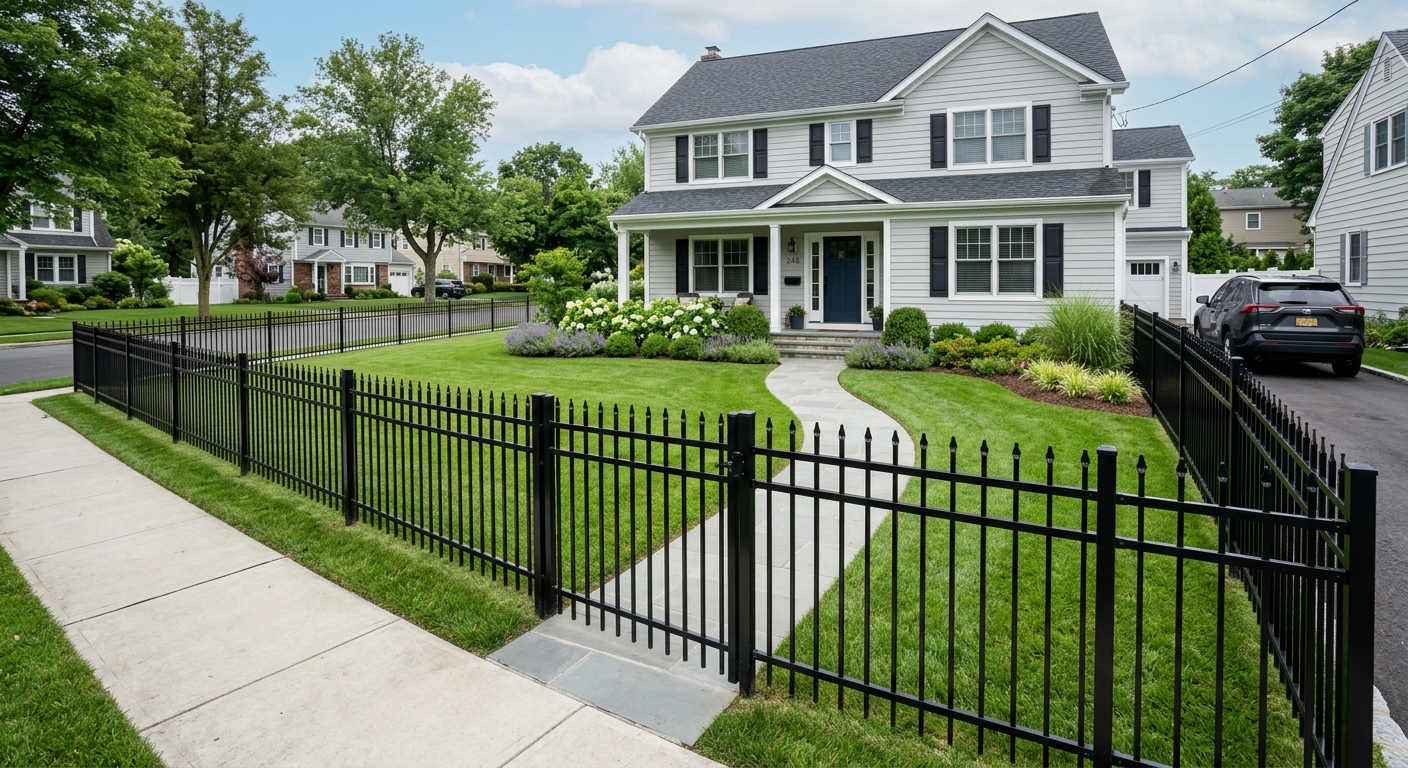
Fencing options and costs in Quinte West
Quinte West is a great place to invest in fencing, whether you’re protecting pets in a busy yard or defining a clean boundary along a driveway. With 76.1% of dwellings being single-detached homes (Statistics Canada, 2021 Census), there’s steady demand for backyard privacy and front-edge restraint fencing—often tied to seasonal yard maintenance cycles. Homeownership is also high at 74.6% of households owning homes, which typically means long-term planning for materials and repairs (Statistics Canada, 2021 Census).
In the Kingston–Pembroke economic region, fencing costs are shaped by frost penetration and ground moisture. Contractors commonly set posts below the design frost depth—about 36–48 inches—using concrete-set posts to reduce heaving in freeze–thaw conditions. Along the Bay of Quinte and St. Lawrence area, clay/silty soils can hold water, so heavier install methods (deeper augers plus concrete) are more common for structural runs and gates. Weather exposure also plays a role: while Quinte West isn’t as extreme as the Prairies, wind gusts near the water can push homeowners toward tighter post spacing and more robust panel frames, especially for 6–8 ft privacy fences.
Demand is particularly strong in neighbourhoods like West Quinte and the Quinte West waterfront belt, where many lots have mature landscaping and established property lines—meaning work often involves careful layout and occasional removal of older fence sections. Use the table below to compare materials, lifespan, maintenance expectations, privacy performance, and typical installed price bands before you line up quotes.
| Material |
Lifespan |
Maintenance |
Privacy Rating |
Price per Linear Foot |
| Pressure-treated pine (standard wood) |
10–15 years |
Stain/seal every 2–3 years |
Good (solid boards) |
$55–$95 |
| Cedar (natural rot resistance) |
15–20 years |
Light sealing/staining as needed |
Excellent (solid boards) |
$75–$125 |
| Vinyl / PVC (no-maintenance) |
20–30 years |
Rinse/wash annually; occasional repairs |
Good to excellent (solid styles) |
$75–$140 |
| Chain-link (galvanized steel) |
20–30 years |
Minimal; tighten/replace posts when needed |
Low to fair (open mesh) |
$40–$80 |
| Aluminum ornamental |
25–35 years |
Occasional cleaning; no rust |
Low (ornamental pickets) |
$80–$160 |
| Composite / recycled material |
20–30 years |
Low; rinse and spot-repair panels |
Good to excellent (depending on slats) |
$95–$150 |
Prices are estimates only and vary by project scope, site access and material selection.
What affects the price of fencing in Quinte West
In Quinte West, it’s common to see the same “type” of fence quote swing by 30–50% across the Kingston–Pembroke region and Ontario overall. The difference usually comes down to ground conditions (how difficult it is to dig to the right depth), post-setting method, gate complexity, and whether the contractor has to correct misaligned property lines or remove an old fence first. Material costs matter too: wood, PVC resin, and steel components have all moved in Ontario over the past few years, so even if the design looks similar, the bill can change quickly.
Frost line depth is the big driver. In cold Ontario conditions, contractors generally set posts about 4–6 inches below the design frost depth to reduce heaving. That often means posts need to be installed roughly 1.2–1.9 m into the ground (about 4–6 ft depending on the site), using longer posts and concrete setting. On wet clay/silty soils around Quinte and along waterways, deeper augered holes and concrete are frequently specified to limit movement over winter freeze–thaw cycles. For comparison, budget fence installs might land in the mid-to-lower side of the wood band (for example, “typical wood” can start around $55–$95 per linear foot), but structural requirements for gates and longer runs can push labour and concrete costs toward the top end.
Wind exposure also affects design choices. Near the Bay of Quinte, gusts can rattle lighter frames, so crews may tighten post spacing or reinforce rails—especially on 6–8 ft privacy styles. If your yard is sloped or has access constraints, contractors may need stepped panel layouts, hand-digging around obstacles, or extra time for staging and disposal. Where frost depth and soil moisture combine with tight access, a vinyl/PVC project that starts in the $75–$140 band often trends higher—particularly when concrete-set posts are required for structural sections.
Here are three practical examples from Quinte West installs: (1) replacing a fence on clay that stays soft after rain can increase post-hole labour time; (2) adding a double drive gate typically requires heavier posts and more hardware, raising both materials and install hours; (3) removing an old fence with mixed fasteners (and hauling it away) adds both disposal and cleanup time. These conditions often explain why “same footage” estimates aren’t the same total.
| Price Factor |
Why It Matters |
Cost Impact |
| Fence length in linear feet |
More footage means more posts, rails, and labour cycles |
High (primary driver) |
| Post depth required |
Frost line determines embedment depth and longer posts/holes |
High (concrete + auger time) |
| Post setting method |
Concrete set vs gravel pack vs driven posts changes stability |
Medium to high |
| Material choice |
Vinyl/cedar/steel differ in cost, weight, and install method |
Medium (shifts entire band) |
| Gate count and type |
Gates need stronger posts, hinges, latches, and tighter tolerances |
Medium to high |
| Grade and terrain |
Slopes require stepped/raked panels and extra cutting and fitting |
Medium |
| Old fence removal and disposal |
Hauling and demolition time varies widely by materials |
Medium |
| Permit fees and survey / property line locate |
Confirming setbacks and limits prevents rework and disputes |
Low to medium (project-dependent) |
Permits & regulations in Ontario
In Ontario, fences above a height threshold—often 2.0 m (6.5 ft) at the rear and 1.0–1.2 m (3–4 ft) at the front or corner—commonly trigger a building permit requirement, depending on your lot and local bylaws. All fencing must be installed within your property lines and follow municipal setback rules. Before digging any post holes, you must call for utility locates so you don’t strike buried services (Ontario One Call). If you’re unsure about the boundary, get a survey or at minimum a property line locate to confirm where pins are; fence disputes often start when a line is assumed rather than verified.
Shared fence ownership and responsibilities are generally handled under Ontario line-fences principles, especially when neighbours share or rely on a boundary fence for shared use or maintenance. The practical takeaway: document agreements in writing if you’re coordinating on a shared boundary.
What typically DOES require a permit: new fences or significant height increases that exceed common thresholds (and any project that changes setbacks or materially impacts a front/corner sightline). What typically does NOT: small repairs, like replacing a few boards, tightening hardware, or replacing an existing fence in the same location and height (confirm your exact case with your contractor and the municipality).
To verify an Ontario contractor in Quinte West, ask for: (1) their Ontario business details and licence information via the appropriate online registry they use for trade licensing; (2) a current Certificate of Insurance showing liability coverage for property work; and (3) proof they’re covered for workplace claims where applicable—typically WSIB coverage documentation (a clearance letter or coverage details) or an acceptable alternate if they qualify. Don’t accept “we’re insured” verbally—ask to see the certificates.
Choosing the right fence material for Quinte West
The best fence for your Quinte West home matches your priorities: privacy, low maintenance, lifespan, and budget—while accounting for local freeze–thaw movement and wet soil near the Bay of Quinte. Pressure-treated pine is usually the budget-friendly route, but it typically needs staining or sealing every 2–3 years to slow grey weathering and surface checks. Cedar naturally resists rot and often looks better as it ages, though it still benefits from periodic sealing in our climate. Vinyl/PVC offers no-stain maintenance and stable appearance, but it needs correct installation practices; extreme cold can make brackets and rails prone to issues if the system isn’t installed to manufacturer tolerances. Chain-link delivers the longest life for the lowest cost and is very durable, but it won’t give you privacy unless you add slats or planters/trellises. Aluminum ornamental provides curb appeal, won’t rust, and generally cleans easily, but it doesn’t block sightlines the way a solid privacy fence does.
For Kingston–Pembroke frost conditions, the key is post depth and setting method more than brand name. Most reliable installs use concrete-set posts for structural sections and gates because it reduces movement in winter. If your yard has clay that stays damp, expect deeper augered holes and heavier embedment. Wind and snow load also matter: on taller fence runs near the water, contractors may tighten post spacing and reinforce rails to prevent racking.
A realistic example: if you’re deciding between standard pressure-treated wood and vinyl, a wood privacy run may fall in the $55–$95 per linear foot band, while vinyl often lands closer to the $75–$140 band. The price difference is usually justified when you want fewer seasonal tasks and a longer “hands-off” period—especially if you don’t want to budget time for staining while the weather turns.
| Material |
Cold Tolerance |
Lifespan |
Annual Maintenance |
Best For |
Price Band |
| Pressure-treated pine |
Good with correct sealing |
10–15 years |
Stain/inspect every 2–3 years |
Budget privacy with flexible upkeep |
$55–$95 |
| Cedar |
Very good |
15–20 years |
Light sealing as needed |
Attractive privacy and better rot resistance |
$75–$125 |
| Vinyl / PVC |
Good (needs proper installation) |
20–30 years |
Wash/rinse annually |
Low-maintenance privacy and curb stability |
$75–$140 |
| Chain-link |
Excellent |
20–30 years |
Minimal checks |
Security with open visibility |
$40–$80 |
| Aluminum ornamental |
Excellent |
25–35 years |
Clean as needed |
Decorative front fencing |
$80–$160 |
| Composite / recycled |
Good |
20–30 years |
Low; spot-repair panels |
Durable privacy with less upkeep |
$95–$150 |
How to choose a fencing contractor in Quinte West
Start by verifying coverage and eligibility the way a homeowner would in Ontario: request documentation, then check it. For Ontario work, ask for (1) proof of business standing/identity and the correct trade/contracting details they operate under; (2) liability insurance—your Certificate of Insurance should name you or show appropriate coverage for property damage; and (3) WSIB documentation (or a clearance letter). If a contractor can’t produce current insurance papers, or the documents are outdated, that’s a warning sign—fencing may look “simple,” but post holes and gate hardware create real liabilities.
Next, get 2–3 itemised written quotes. You want a breakdown separating labour from materials (posts, rails, panels/slats, concrete, fasteners, gate hardware, and any removal/disposal). Ask whether permit pulling is included or if you’re responsible for it. Confirm if existing fence removal and hauling is included—many bids exclude it and only “allow for it” verbally. Review warranty terms: there should be a workmanship warranty (often for a defined period) plus any product/manufacturer warranty. Also ask whether warranties are transferable to future owners if you sell.
For payment schedule, don’t pay more than about 10–15% upfront. Use staged payments tied to milestones, and keep a holdback until the job is complete and cleaned. Timing matters: insist on a start date and completion estimate in writing, including what happens if frost, weather, or material backorders delay the schedule.
- Provide insurance certificate with coverage limits and effective dates.
- Show WSIB/coverage clearance documentation (or acceptable alternative documentation).
- Use a site visit to confirm post depth approach and ground conditions.
- Quote includes exact footage, post spacing, and gate dimensions.
- Specify post setting method (concrete-set vs alternatives) and embedment depth approach.
- State whether permit pulling is included or excluded.
- Confirm disposal/haul-away is included (or list the disposal cost).
- List all materials: panels/slats, rails, fasteners, caps, hinges, latch types.
- Include a workmanship warranty duration in writing.
- Explain how warranty claims are handled (inspection, timelines, replacement responsibility).
- Provide a payment schedule with milestone-based deposits and holdbacks.
- Write the start date, completion target, and weather/material contingency plan.
In Quinte West, common red flags include: quoting without verifying ground conditions or frost-depth approach; offering a low price that lacks concrete/post setting detail; taking large upfront payments without milestone plans; vague scopes that don’t mention disposal, gate hardware, or property-line layout; and warranties that only cover product (not workmanship) while refusing to document terms in writing.
Frequently asked questions — fencing in Quinte West
How do I prevent wood fence rot in Quinte West?
To prevent rot in Quinte West, focus on the details that stop water from sitting at the post and board connection points. Wood rot is often accelerated by freeze–thaw movement and trapped moisture—so your contractor should use correct post embedment below frost and a proper concrete-set approach for structural sections. Make sure pressure-treated pine is installed with the right clearance from the ground, and that boards aren’t touching soil or pooling snow melt. Cedar resists rot better, but it still needs care. In practice, I recommend sealing/staining schedules that match Ontario weather: inspect annually and plan for staining roughly every 2–3 years for pressure-treated wood to reduce grey weathering and surface cracking. If you’re comparing costs, wood installs often start around $55–$95 per linear foot, but delaying maintenance can shorten service life.
What is the cost per linear foot for fencing in Quinte West?
In Quinte West, pricing is usually quoted per linear foot once the design is confirmed (post spacing, fence height, gate count, and post setting). For the typical city tier: wood fence installation often lands in the $55–$95 per linear foot range, while vinyl/PVC commonly falls in the $75–$140 per linear foot range. Chain-link is often lower, around $40–$80 per linear foot, and aluminum/metal tends to be mid-to-higher, typically $80–$160 per linear foot. Your actual total depends heavily on frost-related post depth, soil conditions, and whether you have gates. Clay/silty areas near water can mean more labour for augering and concrete, pushing the project toward the top of the band.
Should I repair or replace my old fence in Quinte West?
Repair is usually worth it when the structure is mostly sound—meaning posts are stable (not leaning), rails aren’t rotted through, and the fence is still plumb. Replace is smarter when rot has spread into multiple post bases, when there are repeated failures at fasteners/rails, or if the fence has shifted because old posts weren’t set below frost depth. Quinte West homes often have fencing installed decades ago; with 61.5% of homes built before 1981 (Statistics Canada, 2021 Census), older installations may not have used current frost-resistant post-setting practices. If you’re seeing multiple loose sections and movement after winter, replacement can cost less over time than patching. If you’re on a tight budget, an approach is to replace only the structural runs and gates first, but your contractor should be able to explain what will hold in the long term.
How do I handle a fence dispute with a neighbour in Ontario?
Start by staying factual and documented. In Ontario, fence disputes often come down to uncertainty about the property line or disagreement about responsibility for shared boundary fencing. Before you escalate, confirm the boundary with a survey or a property line locate, and compare it against the existing fence location. Next, communicate in writing and ask what each party is willing to fund or allow. If you share a boundary fence, Ontario line-fences principles can affect expectations around repairs and maintenance, but the practical step is to reach an agreement you can both follow. Avoid “temporary” moves that could worsen the situation. If a contractor is involved, ensure they install within the verified lines and that their quote includes a layout process. For Quinte West, where older fence alignments are common, verifying pins before digging post holes is one of the safest ways to reduce future conflict.
What fence style offers the best wind resistance in Quinte West?
For Quinte West, wind resistance depends on both the style and the framing strength. Solid privacy fences catch wind pressure, but they can still perform very well when installed correctly with proper post depth, concrete setting, and reinforced rails. If you want the best balance for gusty periods near the Bay of Quinte, ask contractors about tighter post spacing and heavier-duty bracing for tall sections, especially around gates and corners. Aluminum ornamental and chain-link are lighter and generally allow more air through, which can reduce wind loading, but they won’t give you privacy. Vinyl can be strong, but it needs correct fastening and spacing to avoid stresses in cold snaps. Practically, for windy yards, a well-built privacy fence with correct frost-set posts is often the most stable option, while open styles can be a good compromise where you need airflow.
How much does a fence cost in Quinte West?
The most useful way to estimate cost in Quinte West is to price per linear foot after confirming design details: height, material, how many gates, and how deep posts must be set for frost. Typical local bands are: wood around $55–$95 per linear foot, vinyl/PVC around $75–$140, chain-link around $40–$80, and aluminum/metal around $80–$160. Your final total can shift within the band due to soil and access—clay/silty ground near waterways can increase auger time and concrete use, and gate installs usually add labour and hardware. If you’re comparing quotes, ask whether removal/disposal, permit coordination, and property line locate are included; those exclusions are a common reason totals don’t match.